Introduction
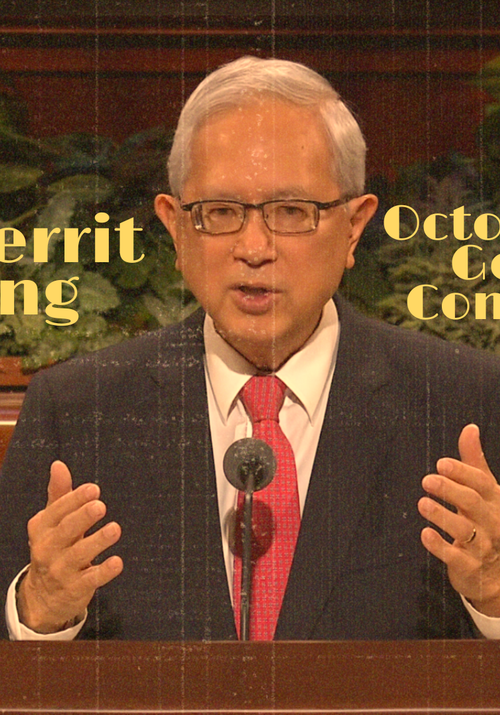
Elder Alan R. Walker’s talk “A Peculiar Treasure” gives Relief Society teachers a beautiful way to discuss covenant identity, obedience, sacrifice, and divine belonging. The central message is deeply personal: the Lord does not merely ask us to treasure Him. He teaches that we can become His treasure.
This lesson help is designed to make preparation easier while still allowing for a rich, Spirit-led discussion. The talk is broken into chronological sections, with longer direct quotes, discussion questions, object lessons, and personal sharing prompts for each section. This gives teachers a clear structure while still leaving room to follow the needs of the sisters in the room.
All quotes are taken from the talk provided.
Grab our Done-For-You lesson Help by clicking here: https://a-peculiar-treasure-by-elder-alan-r-walker.teachery.co/payment?preview=true
Section 1: Searching for Treasure
Teach
Elder Walker begins with a childhood memory of searching for hidden treasure. This image prepares us for the deeper doctrine that follows: true treasure is not found in worldly riches, but in becoming covenantally connected to God.
Direct Quotes from the Talk
“As a young boy I had great interest in anything that had to do with treasures. I often found myself absorbed in stories and movies about hidden treasures, secret maps, and brave explorers searching for lost riches. When my brothers and I visited our grandparents who lived at the base of the Andes Mountains in Mendoza, Argentina, we would spend hours searching through the fields for shiny rocks. We would eagerly break the rocks open in the hope of discovering something very precious inside—only to find more glittering minerals but never any real treasure.”
Discussion Questions
- Why do you think treasure is such a powerful image spiritually?
- What kinds of “shiny rocks” can distract us from real treasure?
- How does the world define treasure differently than God does?
- What are some things that look valuable but do not bring lasting joy?
- Why do we sometimes search for worth in the wrong places?
- How can childhood stories or memories help teach gospel truths?
- What does this opening image prepare us to understand?
- How do we discern between glitter and true spiritual value?
- What treasures have become more meaningful to you over time?
- How does this image connect to covenant identity?
Object Lessons
- Show a shiny rock and a valuable item to compare appearance and true worth.
- Use a treasure map leading to a scripture or covenant symbol.
- Place “worldly treasures” and “eternal treasures” on separate cards.
- Use a locked treasure box labeled “covenant blessings.”
- Show glitter and a simple scripture to contrast flashiness and eternal value.
Personal Sharing Prompts
- Share a time you chased something that seemed valuable but did not satisfy.
- Describe a treasure in your life that has eternal worth.
- Share how your definition of treasure has changed.
- Talk about something the world values that you have learned to hold loosely.
- Share a spiritual treasure you are grateful for.
- Describe how covenants have become more precious to you.
- Share how the Lord helped you recognize true value.
- Talk about a time you learned not everything shiny is treasure.
- Share what you treasure most in the gospel.
- Describe what this opening story teaches you personally.
Section 2: The Lord Calls His People His Treasure
Teach
The talk then moves from earthly treasure to a stunning spiritual truth: the Lord speaks of His covenant people as His treasure. This is a powerful shift because it teaches divine worth and belonging.
Direct Quotes from the Talk
“As we study the scriptures, we encounter the word treasure dozens of times—most often as a warning not to set our hearts upon riches or upon the fleeting things of the world. Yet among all those warnings about earthly treasure, there is one passage that reveals something astonishing: the Lord Himself speaks of us as His treasure. I speak of the moment when the Lord addressed the prophet Moses upon Mount Sinai and declared that His people would be a peculiar treasure unto Him if they would obey His voice and keep His covenant.”
Discussion Questions
- What do you feel when you hear that the Lord calls His people His treasure?
- Why is it astonishing that God would speak of us this way?
- How does this truth affect the way we see ourselves?
- What does “peculiar treasure” mean to you?
- Why is covenant relationship connected to becoming His treasure?
- How does this doctrine differ from worldly self-worth messages?
- What changes when we see ourselves as treasured by God?
- How can this truth help someone who feels forgotten or ordinary?
- Why does the Lord connect treasure with obedience and covenant?
- How can we help others feel their covenant worth?
Object Lessons
- Put a name tag inside a treasure box to symbolize the Lord treasuring His people.
- Use a precious family heirloom to discuss value and belonging.
- Show a scripture marked with the phrase “peculiar treasure.”
- Compare a price tag with a covenant symbol.
- Use a crown or jewel to symbolize divine worth.
Personal Sharing Prompts
- Share a time you felt treasured by the Lord.
- Describe how covenant identity affects your self-worth.
- Share what “peculiar treasure” means to you.
- Talk about a time God helped you feel remembered.
- Share how obedience has helped you feel closer to Him.
- Describe a moment when your worth felt clearer.
- Share how the temple has helped you understand divine belonging.
- Talk about how this truth changes your daily life.
- Share how you would teach this to someone struggling with worth.
- Describe what it means to be God’s covenant treasure.
Section 3: God’s Plan Shows How Deeply He Treasures Us
Teach
Elder Walker next anchors covenant treasure in the plan of salvation and the love of Heavenly Father and Jesus Christ. We are treasured because God’s work is to bring us home, and the Savior’s Atonement is the greatest evidence of that love.
Direct Quotes from the Talk
“Our Heavenly Father’s greatest desire is for us to live with Him again and enjoy eternal life by His side. His work and glory are ‘to bring to pass the immortality and eternal life of man.’ In order to make this possible, He designed the plan of salvation. He sent His Beloved Son, Jesus Christ, to break the bands of death and atone for the sins of the world. This sacrifice is the greatest expression of our Father’s infinite love for all His children.”
“Above all loves, the love of our Father in Heaven and His Son, Jesus Christ, stands supreme—‘greater love’ has no man. As a part of our Savior’s love, He invites us to come unto Him, to choose Him. The risen Lord is the same who spoke upon Mount Sinai. The living Christ still calls a covenant people today.”
Discussion Questions
- How does the plan of salvation show that God treasures His children?
- Why is the Savior’s Atonement the greatest expression of divine love?
- What does it mean that Heavenly Father’s greatest desire is for us to live with Him again?
- How does this section deepen the meaning of covenant identity?
- Why is it important that the living Christ still calls a covenant people today?
- How does knowing you are loved by the Father and the Son change your choices?
- What does it mean to “choose Him”?
- How does Easter doctrine connect to covenant belonging?
- Why do we need both the Father’s plan and the Savior’s sacrifice?
- How can this doctrine bring comfort in discouraging seasons?
Object Lessons
- Use a simple plan of salvation diagram with Christ at the center.
- Show a heart and a cross together to represent divine love and sacrifice.
- Use a pathway leading home to represent Heavenly Father’s desire for us.
- Display an image of the resurrected Christ calling others to Him.
- Use a family reunion image to discuss returning to God.
Personal Sharing Prompts
- Share how the plan of salvation helps you feel God’s love.
- Describe what it means to you that Heavenly Father wants you home.
- Share a time the Savior’s Atonement felt personal.
- Talk about how Christ has invited you to choose Him.
- Share how Easter strengthens your covenant faith.
- Describe how divine love has influenced your obedience.
- Share a moment when you felt the Savior calling you closer.
- Talk about what “greater love” means to you.
- Share how the plan of salvation has comforted you.
- Describe why Jesus Christ is central to your hope.
Section 4: Two Conditions: Obey His Voice and Keep His Covenant
Teach
Elder Walker identifies the pattern the Lord gave Moses: those who desire to become His treasure are invited to obey His voice and keep His covenant. This section is central to the talk because it connects belonging with faithful response.
Direct Quotes from the Talk
“In His benevolent teaching to Moses, the Lord established a pattern of application not only to the ancient children of Israel but to all those who desire to become His treasure—the Lord’s covenant people. That pattern includes two simple but powerful conditions: to obey His voice and to keep our covenants with Him. Then we will be a peculiar, or special, treasure; and as such we will be blessed, strengthened, and favored through the Savior’s atoning sacrifice.”
Discussion Questions
- Why are “obey His voice” and “keep His covenant” both necessary?
- What does it mean to obey the Lord’s voice in daily life?
- How do we recognize His voice among many competing voices?
- Why does covenant keeping strengthen our relationship with God?
- How does this pattern apply to us today?
- What blessings come from being a covenant people?
- Why might simple conditions still feel challenging?
- How does the Savior’s Atonement strengthen covenant keeping?
- How can we become more intentional in obeying His voice?
- What does this section teach about discipleship?
Object Lessons
- Use two keys labeled “Obey His Voice” and “Keep His Covenant.”
- Play several sounds and invite listeners to identify one familiar voice.
- Use a covenant path visual with two signposts.
- Tie a ribbon around a wrist to symbolize covenant remembrance.
- Use a phone call analogy to discuss hearing and responding to a voice.
Personal Sharing Prompts
- Share a time you recognized and obeyed the Lord’s voice.
- Describe how covenant keeping has blessed your life.
- Share a covenant that has strengthened you.
- Talk about a time obedience brought unexpected peace.
- Share how you discern the Savior’s voice.
- Describe how the Atonement helps you keep covenants.
- Share a moment when you felt strengthened by covenant faithfulness.
- Talk about one way you want to better obey His voice.
- Share how covenant keeping has changed your identity.
- Describe what it means to you to be part of the Lord’s covenant people.
Section 5: Covenants Bring Us Closer to God
Teach
Elder Walker quotes President Nelson to teach that covenants change our relationship with God. We become bound to Him, and He never tires in His efforts to help us. This section is especially comforting because it describes God’s merciful patience and high hopes for us.
Direct Quotes from the Talk
“President Russell M. Nelson taught: ‘Once you and I have made a covenant with God, our relationship with Him becomes much closer than before our covenant. Now we are bound together. Because of our covenant with God, He will never tire in His efforts to help us, and we will never exhaust His merciful patience with us. Each of us has a special place in God’s heart. He has high hopes for us.’”
“The same God who called the children of Israel calls us now—to become His covenant people, to rise above the ways of the world, and to receive blessings that only He can bestow.”
Discussion Questions
- What phrase from President Nelson’s quote feels most meaningful to you?
- What does it mean to be “bound together” with God?
- How does it feel to know God will never tire in His efforts to help you?
- Why is merciful patience such an important part of covenant relationship?
- What does it mean that each of us has a special place in God’s heart?
- How does covenant relationship help us rise above the world?
- What blessings can only God bestow?
- How does this teaching change the way we view repentance?
- Why is it hopeful that God has high hopes for us?
- How can we remember this relationship during weakness or discouragement?
Object Lessons
- Use two linked rings to symbolize being bound together with God.
- Show a heart with individual names inside it.
- Use a rope that cannot easily be broken to discuss covenant connection.
- Place a ladder or rising steps to illustrate rising above the world.
- Use a hand reaching down to symbolize God’s tireless help.
Personal Sharing Prompts
- Share how making covenants has brought you closer to God.
- Describe a time you felt God’s merciful patience.
- Share how He helped you when you felt undeserving.
- Talk about what it means to have a special place in God’s heart.
- Share a time you felt lifted above worldly pressure.
- Describe a blessing only God could have given you.
- Share how covenants have changed your relationship with repentance.
- Talk about a time you felt God had high hopes for you.
- Share how this quote strengthens your covenant identity.
- Describe what being bound to God means in your life.
Section 6: Covenant Faithfulness Helps Us Rise Above the World
Teach
Elder Walker then teaches that covenant faithfulness does not just identify us; it empowers us. Through covenant obedience, the Lord enables us to rise above the limitations and challenges of a fallen world.
Direct Quotes from the Talk
“Covenant faithfulness does more than identify us as God’s people—it empowers us to rise above the limitations of this fallen world. President Dallin H. Oaks has taught that obedience to God’s commandments is essential to rise above life’s challenges.”
“Referring to the sacred covenants that bind us to our Heavenly Father and to His Son, Jesus Christ, he declared, ‘As we honor those covenants by keeping Their commandments and following Their plan of redemption, Their promised blessings enable us to soar to celestial heights.’”
Discussion Questions
- What does it mean that covenants empower us, not just identify us?
- How does obedience help us rise above life’s challenges?
- What limitations of the fallen world do you most need help rising above?
- Why do covenant blessings lift us higher than personal effort alone?
- What does “soar to celestial heights” mean to you?
- How does this section change the way we view commandments?
- Why are covenants not meant to restrict us but elevate us?
- How have you felt empowered through covenant living?
- What is the difference between worldly freedom and covenant power?
- How can this doctrine help someone who feels weighed down?
Object Lessons
- Use a helium balloon tied down, then release it upward to symbolize rising above.
- Show stairs or a ladder labeled covenant faithfulness.
- Use wings or a bird image to discuss soaring to celestial heights.
- Place heavy objects on a table and then lift one with assistance to show divine power.
- Use a mountain image to symbolize rising above fallen-world limitations.
Personal Sharing Prompts
- Share a time covenant keeping helped you rise above a challenge.
- Describe how obedience has empowered you.
- Share how commandments have elevated your life.
- Talk about a time you felt lifted by promised blessings.
- Share what “celestial heights” means to you.
- Describe a worldly limitation the Savior has helped you overcome.
- Share how covenant power has strengthened you.
- Talk about a time obedience gave you spiritual freedom.
- Share how your view of commandments has changed.
- Describe how covenants help you become more than you could alone.
Section 7: The Lord Accepts Honest, Broken, Willing Hearts
Teach
This section is tender and hopeful. Elder Walker quotes modern revelation describing those accepted of the Lord: honest hearts, broken hearts, contrite spirits, and willingness to observe covenants by sacrifice. The emphasis is not immediate perfection, but sincere willingness.
Direct Quotes from the Talk
“In modern revelation, the Lord provides a beautiful description of how we can know we are accepted of Him. He said, ‘Verily I say unto you, all among them who know their hearts are honest, and are broken, and their spirits contrite, and are willing to observe their covenants by sacrifice—yea, every sacrifice which I, the Lord, shall command—they are accepted of me.’”
“The Lord does not ask for perfection all at once; rather, He asks for honest and broken hearts, humble spirits, and a willing readiness to keep our covenants—even when it requires sacrifice.”
Discussion Questions
- What do you love about this description of those accepted by the Lord?
- Why is it comforting that the Lord does not ask for perfection all at once?
- What does an honest heart look like?
- What does a broken heart mean in a hopeful gospel sense?
- How is contrition different from shame?
- Why is willingness so important to the Lord?
- How does sacrifice reveal what we truly treasure?
- How can this revelation help someone who feels inadequate?
- What does it mean to observe covenants by sacrifice?
- How does this section help us better understand divine acceptance?
Object Lessons
- Use a cracked heart image with light shining through it.
- Show an open hand to symbolize willingness.
- Use a humble clay vessel to discuss being shaped by God.
- Bring a small offering bowl to symbolize sacrifice.
- Use a checklist with “perfect” crossed out and “honest, broken, willing” highlighted.
Personal Sharing Prompts
- Share a time you felt accepted by the Lord despite imperfection.
- Describe what an honest heart means in your discipleship.
- Share how sacrifice has deepened your covenant relationship.
- Talk about a time humility brought peace.
- Share how the Lord has helped you be willing.
- Describe the difference between shame and contrition in your experience.
- Share a sacrifice that brought spiritual strength.
- Talk about how this revelation gives you hope.
- Share how the Lord has met you in imperfection.
- Describe what divine acceptance means to you.
Section 8: Becoming the Lord’s Treasure Requires Patient Effort and Sacrifice
Teach
Elder Walker returns to the treasure image and teaches that divine acceptance is not casual or accidental. Becoming the Lord’s treasure requires patient effort, faithful persistence, and a willingness to lay aside lesser things.
Direct Quotes from the Talk
“Just as the treasures my brothers and I searched for were never found on the surface, becoming the Lord’s treasure and receiving His divine acceptance are not something casual or accidental. They require patient effort, faithful persistence, and sacrifice.”
“We must be willing to lay aside lesser things—habits, ambitions, or comforts that distance our hearts from Him—so that we may offer ourselves wholly and without reservation. As we choose to follow prophetic counsel, even when it stretches us or feels inconvenient, we demonstrate our love for the Lord and show that we cherish Him above all worldly desires.”
Discussion Questions
- Why is becoming the Lord’s treasure not casual or accidental?
- What does patient effort look like in covenant discipleship?
- What lesser things might distance our hearts from God?
- Why can comfort sometimes become spiritually dangerous?
- How does sacrifice show what we cherish most?
- Why does prophetic counsel sometimes stretch us?
- What helps us follow counsel when it feels inconvenient?
- How does laying aside lesser things make room for deeper discipleship?
- What does it mean to offer ourselves wholly and without reservation?
- How can we evaluate what our hearts truly treasure?
Object Lessons
- Use a treasure chest buried under layers labeled patience, effort, sacrifice.
- Show a cluttered container and remove lesser items to make room for something sacred.
- Use pruning shears and a branch to discuss sacrifice and growth.
- Place “comfort,” “ambition,” and “habit” cards beside “Christ” and discuss choices.
- Use a refining process image to show treasure becoming more precious through effort.
Personal Sharing Prompts
- Share a lesser thing the Lord helped you lay aside.
- Describe how patient effort has shaped your discipleship.
- Share a time prophetic counsel stretched you.
- Talk about a sacrifice that brought you closer to Christ.
- Share how you have learned what your heart truly treasures.
- Describe a comfort zone you felt invited to leave.
- Share a time inconvenience became a spiritual blessing.
- Talk about offering yourself more fully to the Lord.
- Share how persistence has blessed your covenant life.
- Describe what you are learning about cherishing God above worldly desires.
Section 9: Covenant Power Turns Tribulation into Triumph
Teach
Elder Walker closes by teaching that covenant faithfulness brings a continual stream of blessings. These blessings do not remove every trial, but they enable us to endure and even convert tribulation into triumph. This is a beautiful final discussion section because it connects covenant identity with sustaining power.
Direct Quotes from the Talk
“President D. Todd Christofferson taught that as we walk in faithful obedience to our covenants, there flows into our lives a ‘continual [stream] of blessings’ from God—divine power that enables us to endure trials and even ‘convert tribulation into triumph.’”
“He explained that when we honor our covenants, three sacred blessings follow: ‘the promised fruits of obedience become evident, … the Spirit communicates God’s pleasure, [and] we can face life with hope … , knowing … we will succeed in the end because we have God’s promise to us.’ This is part of what it means to be the Lord’s peculiar treasure. He not only claims us as His covenant people—He strengthens us, sustains us, and surrounds us with covenant power every step of the way.”
“I testify that as we obey the Savior’s voice and keep our covenants—even by small and quiet sacrifices each day—we will feel His love more deeply and receive His guidance more clearly. And because He lives, we can have the assurance that one day we will stand before Him and hear the words that matter most: that we are accepted of Him.”
Discussion Questions
- What does a “continual stream of blessings” mean to you?
- How can covenant power help convert tribulation into triumph?
- What fruits of obedience have become evident in your life?
- How have you felt the Spirit communicate God’s pleasure?
- Why does covenant faithfulness help us face life with hope?
- What does it mean to know we will succeed in the end because of God’s promise?
- How does the Lord strengthen and sustain His covenant people?
- Why are small and quiet sacrifices so spiritually powerful?
- How does knowing Christ lives strengthen covenant confidence?
- What would it mean to one day hear that you are accepted of Him?
Object Lessons
- Pour water steadily from a pitcher to represent a continual stream of blessings.
- Use a before-and-after image of a trial transformed into strength.
- Bring fruit to symbolize promised fruits of obedience.
- Use a shield or blanket to represent being surrounded with covenant power.
- Display a small daily sacrifice card to show how quiet faithfulness adds up.
Personal Sharing Prompts
- Share a blessing that has flowed from covenant obedience.
- Describe a time tribulation became triumph through Christ.
- Share how the Spirit has helped you feel God’s approval.
- Talk about how covenant faith gives you hope.
- Share a time the Lord sustained you through a trial.
- Describe a small sacrifice that mattered spiritually.
- Share how you have received clearer guidance through obedience.
- Talk about how covenant power feels in your life.
- Share what helps you believe you can succeed in the end.
- Describe what it would mean to hear the Lord say you are accepted of Him.
Conclusion
A Relief Society lesson on Elder Walker’s “A Peculiar Treasure” can become a beautiful discussion about worth, covenants, sacrifice, and divine belonging. This talk reminds us that the Lord does not view His covenant people casually. He treasures them. He claims them. He strengthens them. He surrounds them with covenant power.
That is one of the greatest blessings of using a lesson help like this. When the talk has already been divided into its natural discussion points, when the strongest quotes are already gathered, and when meaningful questions and prompts are ready, you can spend more of your preparation time thinking about the women you teach and the specific truths they may need to feel. Elder Walker’s message can help sisters remember that covenant living is not merely a list of expectations. It is a relationship of belonging, help, patience, power, and hope.
As sisters discuss this talk, they can be reminded that becoming the Lord’s peculiar treasure does not require worldly perfection or attention. It begins with honest hearts, broken hearts, contrite spirits, and a willingness to obey His voice and keep His covenants. And because Jesus Christ lives, every small and quiet sacrifice offered in covenant faithfulness can draw us closer to the day when we stand before Him and know that we are accepted of Him.