Introduction
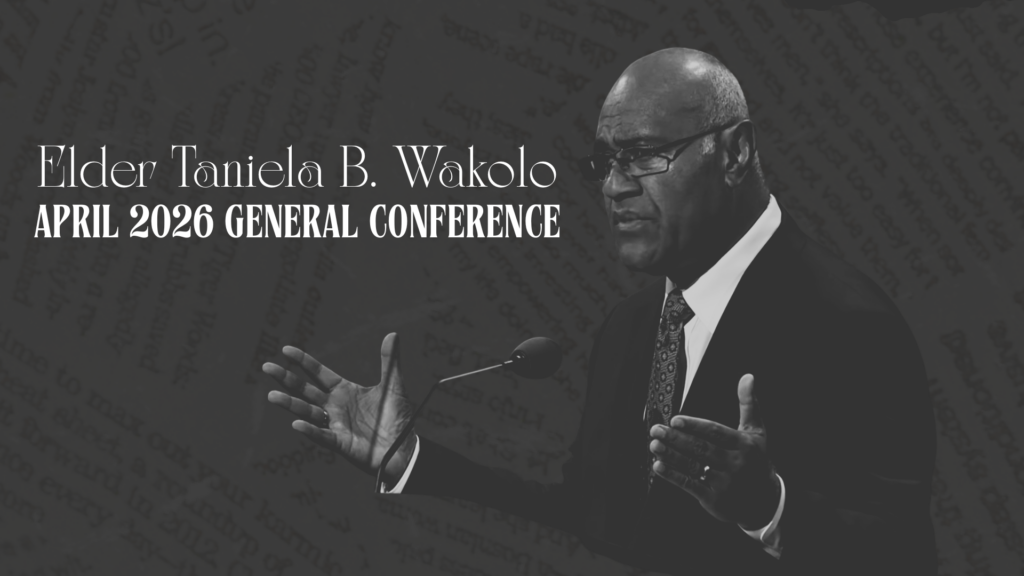
Elder Taniela B. Wakolo’s talk “Come Unto Christ—Together” is a deeply tender and powerful message centered on unity, patience, agency, and the Savior’s invitation to come unto Him—not alone, but together. It speaks directly to the real-life experiences of families: part-member homes, waiting hearts, quiet faith, and miracles that unfold in the Lord’s timing.
This lesson help is designed to help Relief Society teachers lead meaningful, Spirit-filled discussions. The talk is divided into chronological sections that follow the speaker’s flow, each including longer direct quotes, thoughtful discussion questions, object lesson ideas, and personal sharing prompts. This structure allows you to focus on ministering to the sisters in your class rather than organizing the material.
All quotes are taken directly from the talk provided.
Grab the Done-for-you Lesson Help by clicking here: https://come-unto-christ-together-by-elder-taniela-b-wakolo.teachery.co/payment?preview=true
Section 1: The Simple, Clear Invitation to Come Unto Christ
Teach
Elder Wakolo begins with a simple but powerful truth: prophets speak clearly and consistently, inviting all to come unto Christ. Even simple invitations can be made more direct, and God ensures His message is understood.
Direct Quotes from the Talk
“When our daughter, Jasmin, was 14 years old, she described general conference as a gathering where ‘prophets, seers, and revelators testify of Jesus Christ and teach His doctrine so simply that it cannot be misunderstood.’
“Even simple messages can be made clearer… ‘Full stop.’ … ‘Really you gotta stop.’
“How grateful we are for living prophets and apostles who speak with simplicity and clarity—whose collective voices invite us to ‘come unto Christ.’”
Discussion Questions
- Why is simplicity so powerful in gospel teaching?
- What does it mean that the gospel “cannot be misunderstood”?
- Why do we sometimes complicate simple invitations from the Lord?
- What does it look like to truly “come unto Christ”?
- How do prophets help us stay focused on what matters most?
- Why does God repeat simple truths?
- What invitations from the Savior feel especially clear to you right now?
- How can we make the gospel clearer in our homes?
- What prevents people from acting on simple truths?
- How can we respond more fully to the Savior’s invitation?
Object Lessons
- Show different stop signs with increasing clarity.
- Use a simple arrow pointing to Christ.
- Write “Come unto Christ” on the board and discuss what it means.
- Use a clear vs. cluttered message comparison.
- Show a child’s drawing to illustrate simplicity.
Personal Sharing Prompts
- Share a time a simple gospel truth changed your life.
- Describe how you respond to the invitation to come unto Christ.
- Share how prophets have helped you find clarity.
- Talk about a message that felt especially direct to you.
- Share how you simplify the gospel for your family.
- Describe a moment when simplicity brought peace.
- Share how you recognize God’s invitations.
- Talk about a time you acted on a simple prompting.
- Share how clarity has strengthened your testimony.
- Describe what “coming unto Christ” means to you.
Section 2: God’s Purpose Is Eternal Life for All
Teach
Elder Wakolo teaches that God’s purpose is to bring to pass the immortality and eternal life of His children. This purpose is fulfilled through Jesus Christ and includes eternal families.
Direct Quotes from the Talk
“The Lord answered, ‘For mine own purpose have I made these things … to bring to pass the immortality and eternal life of man.’ …
“How is this purpose fulfilled? Because of Jesus Christ, all can receive the gift of eternal life—which includes living in God’s presence eternally as families.”
Discussion Questions
- What does it mean that God’s purpose is eternal life?
- Why is eternal life more than just living forever?
- How does Jesus Christ fulfill this purpose?
- Why are families central to eternal life?
- How does this doctrine change how we see our daily lives?
- Why is it important that “all are alike unto God”?
- How does this truth bring hope to difficult family situations?
- What does living in God’s presence mean to you?
- How does understanding purpose bring peace?
- How can we align our lives with God’s purpose?
Object Lessons
- Draw a plan of salvation diagram.
- Use a family photo labeled “eternal.”
- Show a circle representing eternity.
- Use a ladder symbolizing progression toward God.
- Display a heart with the word “purpose.”
Personal Sharing Prompts
- Share how this doctrine brings meaning to your life.
- Describe what eternal life means to you.
- Share how Christ has helped you progress.
- Talk about your hope for your family.
- Share how this purpose affects your choices.
- Describe a time you felt God’s plan working in your life.
- Share how you teach this doctrine to others.
- Talk about how this truth brings peace.
- Share how you feel about returning to God.
- Describe what this purpose means personally.
Section 3: The Temple Is a Symbol of Hope, Not Pressure
Teach
Elder Wakolo teaches that temples and eternal families are central to the gospel, but they are meant to invite hope—not create pressure or division.
Direct Quotes from the Talk
“The temple stands as a symbol of hope, not pressure. The gospel of Jesus Christ is not a wedge to divide families but a bridge to unite them eternally.
“We must ensure that our discipleship reflects the Savior’s patience, His gentleness, and His perfect love.”
Discussion Questions
- Why is it important that the temple is a symbol of hope?
- How can gospel living accidentally feel like pressure?
- What does it mean that the gospel is a bridge, not a wedge?
- How can we reflect the Savior’s patience in our families?
- Why are gentleness and love essential in discipleship?
- How can we talk about temples in a hopeful way?
- What helps people feel invited rather than pressured?
- How can we better support those not yet participating in temple blessings?
- Why is unity central to God’s plan?
- How can we create a culture of hope in our homes?
Object Lessons
- Use a bridge image connecting two sides.
- Show a temple picture labeled “hope.”
- Use a wedge vs. bridge visual.
- Display a soft cloth representing gentleness.
- Use two people connected by a ribbon.
Personal Sharing Prompts
- Share how the temple brings hope to your life.
- Describe a time love united rather than divided.
- Share how you have felt patience from others.
- Talk about how you invite without pressure.
- Share how the Savior’s gentleness has blessed you.
- Describe how you create unity in your home.
- Share how temple blessings have brought peace.
- Talk about supporting someone on their journey.
- Share how you have seen love build bridges.
- Describe how hope motivates you spiritually.
Section 4: You Are Essential to God’s Plan
Teach
Elder Wakolo speaks directly to those in part-member families or complex situations. His message is clear: everyone matters, and no one is left out of God’s plan.
Direct Quotes from the Talk
“My dear brothers and sisters… Today I say to each of you: You are essential to God’s plan.”
Discussion Questions
- Why is this message so important for many in Relief Society?
- What does it mean to be essential to God’s plan?
- How can we help others feel included?
- Why do people sometimes feel left out spiritually?
- How does this truth change how we see ourselves?
- How can we better minister to diverse family situations?
- What does God’s plan look like for someone in a waiting season?
- How can we create belonging in Relief Society?
- Why is it important to say this message out loud?
- How can we reflect God’s inclusive love?
Object Lessons
- Use a puzzle with every piece needed.
- Show a circle including everyone.
- Use a name list with every name highlighted.
- Display a heart labeled “essential.”
- Use a team analogy where every role matters.
Personal Sharing Prompts
- Share a time you felt included by God.
- Describe how you know you matter to Him.
- Share how someone helped you feel valued.
- Talk about how you include others.
- Share how God has worked in your life personally.
- Describe a time you felt seen by Him.
- Share how you minister to others.
- Talk about feeling essential in your family or ward.
- Share how this message brings comfort.
- Describe what this truth means to you.
Section 5: The Lord Honors Patient Faith
Teach
Through multiple stories, Elder Wakolo teaches that faith, patience, and love—without pressure—invite miracles over time.
Direct Quotes from the Talk
“Brothers and sisters, the Lord honors patient faith. And it is never too late for miracles.”
“These stories are not about statistics. They are about souls.”
Discussion Questions
- Why does God work through patience?
- What does patient faith look like in real life?
- Why is it important not to measure spiritual progress by timelines?
- How can we trust God’s timing?
- What do these stories teach about miracles?
- Why are souls more important than outcomes?
- How can we avoid discouragement while waiting?
- What helps you keep believing?
- How does patience reflect Christlike love?
- What miracle are you hoping for?
Object Lessons
- Use a seed growing slowly.
- Show a clock labeled “God’s timing.”
- Use a candle slowly burning.
- Display a growing plant.
- Use a timeline with delayed results.
Personal Sharing Prompts
- Share a time you had to wait spiritually.
- Describe a miracle that came later than expected.
- Share how patience strengthened your faith.
- Talk about trusting God’s timing.
- Share a story of quiet persistence.
- Describe how you stay hopeful.
- Share how God honored your faith.
- Talk about a time you saw growth over time.
- Share what patience has taught you.
- Describe how you keep going.
Section 6: Conversion Is Personal, Timing Is Individual, Agency Is Sacred
Teach
Elder Wakolo emphasizes three critical truths: conversion cannot be forced, timing varies, and agency must be respected.
Direct Quotes from the Talk
“These things remind us that conversion is personal. Timing is individual. Agency is sacred.”
Discussion Questions
- Why is conversion personal?
- How does individual timing challenge us?
- Why must agency be respected?
- How can we invite without forcing?
- What happens when we try to control others’ choices?
- How can we trust God with someone else’s journey?
- What does this teach about love?
- How does respecting agency reflect Christlike behavior?
- Why is patience tied to agency?
- How can we apply this principle in families?
Object Lessons
- Use a fork in the road.
- Show a clock with different times.
- Use open hands to represent agency.
- Display a seed growing at its own pace.
- Use a locked vs. open door.
Personal Sharing Prompts
- Share a time you respected someone’s agency.
- Describe how your conversion unfolded.
- Share how timing played a role in your faith.
- Talk about trusting God with someone else.
- Share how you invite with love.
- Describe how agency has shaped your life.
- Share how you have seen God work patiently.
- Talk about a time you had to let go.
- Share how you feel about God’s timing.
- Describe what this principle means to you.
Section 7: The Savior Invites, He Never Forces
Teach
Elder Wakolo concludes with a powerful truth about Jesus Christ: He invites, blesses, and fulfills promises—but never forces.
Direct Quotes from the Talk
“The Savior never forces. He invites. He blesses. He fulfills promises according to faith and faithfulness.”
Discussion Questions
- Why is it important that Christ does not force?
- How does invitation differ from pressure?
- What does it mean to respond to His invitation?
- How does faith influence blessings?
- Why are promises fulfilled according to faithfulness?
- How can we model Christlike invitation?
- What invitations do you feel from the Savior?
- How can we help others feel invited?
- Why is love essential in inviting others?
- How does this truth change your approach to discipleship?
Object Lessons
- Use an open door to represent invitation.
- Show a hand extended vs. pushing.
- Use a written invitation card.
- Display a path labeled “choose.”
- Use a light guiding but not forcing.
Personal Sharing Prompts
- Share a time you felt invited by the Savior.
- Describe how you respond to His invitations.
- Share how you invite others with love.
- Talk about how Christ has blessed your faith.
- Share how promises have been fulfilled in your life.
- Describe a moment you felt guided, not forced.
- Share how you recognize His invitations.
- Talk about how you help others feel included.
- Share how faith has shaped your life.
- Describe what this truth means to you.
Conclusion
Elder Wakolo’s message reminds us that the Savior’s invitation to come unto Him is both deeply personal and beautifully collective. We are invited to come individually—but also together, as families, as couples, and as a covenant community.
This lesson help provides structure so Relief Society teachers can focus on what matters most: helping sisters feel hope, belonging, and trust in the Savior’s timing. With clear sections, meaningful quotes, and engaging prompts, you can create a discussion where women feel safe to share, reflect, and strengthen one another.
Ultimately, this talk teaches that no one is forgotten, no one is excluded, and no journey is too long. The Savior invites each of us—with patience, love, and perfect understanding—to come unto Him. And as we do, together, eternity truly becomes our reward.