Introduction
There are some messages that feel doctrinal—and others that feel deeply personal.
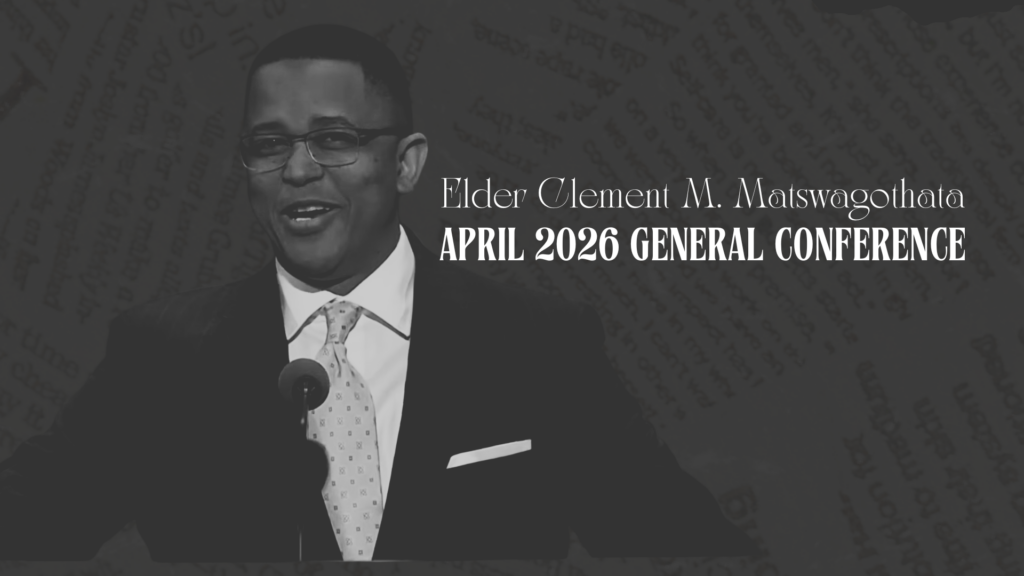
Elder Clement M. Matswagothata’s talk “He Knows You by Name” does both. It teaches eternal doctrine about covenant identity, the Atonement of Jesus Christ, and discipleship—but it does so in a way that reaches into real, everyday life. It answers quiet questions many carry: Does God see me? Does He know what I’m going through? Does He care about my life specifically?
This Relief Society lesson help is designed to make your preparation easier while also going deeper. The talk is broken into chronological sections that follow the speaker’s natural flow. Each section includes longer, meaningful quotes, discussion questions, object lessons, and personal sharing prompts—so your lesson can move beyond surface comments into meaningful discussion and connection.
As you teach, this structure allows you to focus less on what to say next—and more on helping sisters feel seen, valued, and remembered by the Savior.
All quotes are taken directly from the talk.

Grab our free bundle of 50+ Presentation Backgrounds by clicking here: https://otherthanamom.myflodesk.com/freebackgrounds

Interested in a done-for-you lesson plan with a teacher’s outline Google Doc, Canva Presentation Template, Lesson Handout Template, and themed presentation backgrounds? Click here: https://www.etsy.com/listing/4498243708/april-2026-general-conference-lesson?ref=listings_manager_grid
Section 1: Names Carry Meaning—and So Does Christ’s Name
Teach
Elder Matswagothata begins with a personal story about his surname and its meaning. This becomes a bridge into a deeper truth: while our personal names carry meaning, the most important name we can receive is the name of Jesus Christ.
Direct Quotes from the Talk
“My surname, Matswagothata, is from Botswana. In my home language, it means ‘getting out of a difficult situation’ or ‘someone who can do hard things.’ And while I haven’t always felt like I can do hard things, my surname is a reminder to me that the Savior can and will guide us through every season of life—especially through difficult times.
“We all need reminders like that throughout our mortal journey. Perhaps this is why our loving Father in Heaven gives us the opportunity every week to make a covenant with Him… He invites us to take upon ourselves the name of His Son… He gives us power to rise above mortality’s challenges.”
Discussion Questions
- What stood out to you about the meaning of his name?
- Why do names carry such powerful meaning?
- What does it mean to “take upon ourselves the name of Jesus Christ”?
- How does the sacrament help us remember our identity?
- Why do we need regular reminders in mortality?
- How does Christ’s name give us power?
- What does covenant identity mean to you personally?
- How does this change how we see ourselves?
- Why is remembering who we are spiritually so important?
- What does this section invite you to reflect on?
Object Lessons
- Name tags with meanings written on them
- A mirror with the phrase “Child of God”
- A sacrament tray or symbol
- A family name vs covenant name comparison
- A written identity card
Personal Sharing Prompts
- Share what your name means to you
- Describe a time you felt reminded of your identity
- Share how the sacrament has strengthened you
- Talk about covenant identity
- Share how Christ’s name has helped you
- Describe a meaningful moment
- Share how your perspective has changed
- Talk about remembering Him
- Share your journey
- Describe what this means to you
Section 2: The Savior Knows You Personally
Teach
This section teaches one of the most comforting truths of the talk: Jesus Christ knows us individually—not just collectively.
Direct Quotes from the Talk
“Even as Jesus Christ invites us to always remember Him and take upon ourselves His name, He also remembers us and knows each of us by name.
“In the Old Testament, the Lord taught Moses… ‘I know thee by name.’
“In Eden’s garden, He called Adam.
“At the empty tomb, He called Mary.
“On the road to Damascus, He called Saul.
“And in the Sacred Grove, He called Joseph.
“All by name.
“And He knows you and calls you by name too… He hears, sees, and knows you.”
Discussion Questions
- What does it mean to you that the Savior knows your name?
- Why do you think the speaker lists these scriptural examples?
- How does this doctrine affect how we see ourselves?
- Why do people struggle to feel personally known by God?
- How does this truth bring comfort?
- What experiences have helped you feel seen by Him?
- How does this affect how we approach prayer?
- What changes when we believe this deeply?
- How can we help others feel this truth?
- What stands out most to you?
Object Lessons
- Calling individuals by name in the room
- A roll call list
- A personal letter
- A phone contact list
- A spotlight on one object
Personal Sharing Prompts
- Share a time you felt personally known by God
- Describe how the Savior has spoken to your life
- Share how this truth has impacted you
- Talk about feeling seen
- Share a meaningful moment
- Describe a spiritual experience
- Share how your faith has grown
- Talk about identity
- Share your testimony
- Describe what this means to you
Section 3: He Knows Your Joys, Sorrows, and Pain
Teach
The Savior’s knowledge is not surface-level. Through the Atonement, He understands every emotion and experience we carry.
Direct Quotes from the Talk
“He knows your joys, and He rejoices with you. He knows your sorrows, and He can succor and lift you.
“Because of His Atonement, He knows your burdens, pain, and silent tears…
“He shall go forth, suffering pains and afflictions and temptations of every kind… that he may know… how to succor his people.”
Discussion Questions
- What does it mean that Christ rejoices with us?
- Why is it important that He understands sorrow?
- What does “succor” mean to you?
- How does the Atonement make this possible?
- Why is it comforting that He knows our “silent tears”?
- How does this affect your relationship with Him?
- What experiences have helped you feel this?
- How does this change how we pray?
- Why does this bring hope?
- What stands out to you?
Object Lessons
- A tissue or cloth
- A weighted object being lifted
- A heart symbol
- A shared burden illustration
- A comfort blanket
Personal Sharing Prompts
- Share a time Christ comforted you
- Describe a moment you felt understood
- Share how He lifted you
- Talk about silent struggles
- Share a meaningful experience
- Describe healing
- Share how your faith grew
- Talk about hope
- Share your journey
- Describe what this means
Section 4: God Reaches Us Through Others
Teach
The Savior often answers prayers through people.
Direct Quotes from the Talk
“To the Savior, we are never lost in the crowd. He knows how to reach us—through a hymn, a smile, a kind word, and sometimes through people we least expect… there is someone praying for you.”
Discussion Questions
- How has God reached you through others?
- Why does He often use people?
- How can we become instruments?
- What prevents us from noticing others?
- How can we be more aware?
- What experiences have taught you this?
- How does this strengthen unity?
- Why is this important?
- How can we act on promptings?
- What stands out?
Object Lessons
- A chain link
- A bridge
- A helping hand
- A message delivered
- A relay race
Personal Sharing Prompts
- Share a time someone helped you
- Describe a meaningful connection
- Share how you’ve helped others
- Talk about promptings
- Share your experiences
- Describe growth
- Share how you’ve been blessed
- Talk about service
- Share your journey
- Describe what this means
Section 5: Your Pain Does Not Mean God Has Left You
Teach
This section addresses a deeply emotional question: when life is hard, it does not mean God is absent.
Direct Quotes from the Talk
“Your pain is not a sign that God does not love you. He truly does… when life feels unfair… please remember this powerful truth: He knows you.”
Discussion Questions
- Why do people sometimes feel abandoned?
- How does this truth change perspective?
- What helps us trust God?
- How can we support others?
- Why is this message important?
- What experiences have taught you this?
- How does this bring hope?
- What stands out?
- How can we remember this?
- What do you feel?
Object Lessons
- A storm and shelter
- A light in darkness
- A hand reaching
- A steady anchor
- A sunrise
Personal Sharing Prompts
- Share a time you felt God’s love in hardship
- Describe a difficult season
- Share how your faith grew
- Talk about trust
- Share your journey
- Describe hope
- Share healing
- Talk about strength
- Share what helped
- Describe what this means
Section 6: The Invitation to Walk with Him
Teach
The question is not whether Christ will walk with us—but whether we will walk with Him.
Direct Quotes from the Talk
“The question should never be ‘Will the Savior walk with me?’ He will. The real question is ‘Will I walk with Him?’”
Discussion Questions
- Why is this question so powerful?
- What does walking with Him look like?
- What gets in the way?
- How can we choose Him daily?
- What changes when we do?
- Why is consistency important?
- How does this deepen discipleship?
- What stands out?
- How can we improve?
- What do you feel?
Object Lessons
- Walking side by side
- Footprints
- A path
- A guide
- A journey
Personal Sharing Prompts
- Share how you walk with Christ
- Describe daily discipleship
- Share a meaningful moment
- Talk about growth
- Share your journey
- Describe trust
- Share what helps
- Talk about consistency
- Share experiences
- Describe what this means
Section 7: The Power of His Name and Covenants
Teach
Taking upon ourselves Christ’s name gives us power to overcome.
Direct Quotes from the Talk
“Through faith in Jesus Christ… we gain access to His enabling power—power that can and will change our lives… because He not only knows the way; He is the way.”
Discussion Questions
- What does enabling power mean?
- How do covenants connect us to that power?
- What changes through Christ?
- Why is His name so powerful?
- How can we access that power?
- What experiences have taught you this?
- How does this bring hope?
- What stands out?
- How can we apply this?
- What do you feel?
Object Lessons
- A key unlocking power
- A connection cable
- A light source
- A power switch
- A strong foundation
Personal Sharing Prompts
- Share how Christ has changed your life
- Describe a time you felt His power
- Share your testimony
- Talk about growth
- Share your journey
- Describe hope
- Share what helped
- Talk about faith
- Share experiences
- Describe what this means
Conclusion
Relief Society lessons have the potential to become deeply meaningful experiences—but that happens when preparation creates space for connection and the Spirit.
This lesson help gives you a clear structure so you can focus on what matters most: helping sisters feel seen, known, and loved by the Savior. Instead of wondering what to say next, you can guide discussion with confidence and create a space where women can share, reflect, and strengthen each other.
Elder Matswagothata’s message is simple but deeply powerful: you are not forgotten. You are not unseen. You are not alone. The Savior knows you—personally, completely, and perfectly—and He calls you by name.
And as you teach this lesson, you help create a space where sisters don’t just hear that truth—they begin to feel it.