Introduction
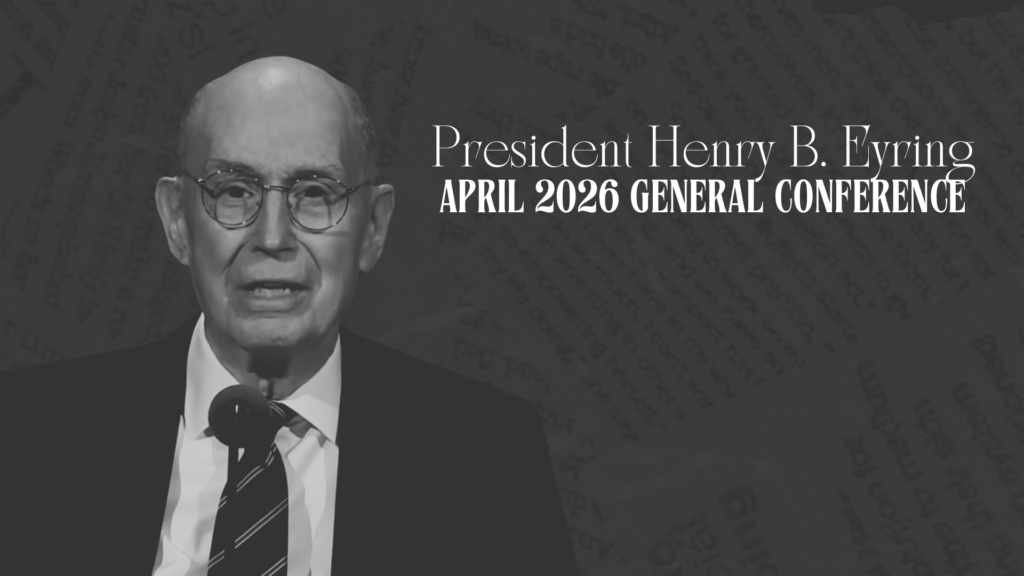
There are seasons in life when peace feels distant—when the world feels unsettled and personal burdens feel heavy. In his message “Prayers for Peace,” President Henry B. Eyring reminds us that peace is not something we wait for—it is something we receive through prayer.
This lesson help is designed to guide a Relief Society discussion that invites not only understanding, but feeling. As you walk through each section of this talk, you will find powerful quotes, meaningful questions, object lessons, and personal prompts that help sisters connect deeply with the doctrine and with each other.
Rather than simply discussing prayer, this lesson creates space for sisters to reflect on their own relationship with God and recognize the peace He is already offering.

Grab our free bundle of 50+ Presentation Backgrounds by clicking here: https://otherthanamom.myflodesk.com/freebackgrounds

Interested in a done-for-you lesson plan with a teacher’s outline Google Doc, Canva Presentation Template, Lesson Handout Template, and themed presentation backgrounds? Click here: https://www.etsy.com/listing/4497903876/april-2026-general-conference-lesson?ref=listings_manager_grid
Section 1: The Savior’s Promise of Peace
Teach
President Eyring begins by anchoring us in Christ’s promise—a peace that is different from anything the world offers.
Quote
“He said: ‘Peace I leave with you, my peace I give unto you: not as the world giveth… Let not your heart be troubled, neither let it be afraid.’”
Discussion Questions
- What stands out to you about the Savior’s promise of peace?
- How is His peace different from the world’s peace?
- Why does He tell us not to let our hearts be troubled?
- What does it mean to receive His peace?
- When have you felt this kind of peace?
- Why is fear often the opposite of peace?
- How can we access this promise more fully?
- What prevents us from feeling this peace?
- How can we help others experience it?
- What does this teach about Christ?
Object Lessons
- Calm water vs. stormy water
- A quiet room vs. chaos
- A steady light in darkness
- A safe shelter in a storm
- A soft blanket providing comfort
Personal Sharing Prompts
- Share a time you felt Christ’s peace
- Describe how His peace feels to you
- Share how you’ve overcome fear
- Talk about a moment of comfort
- Share how prayer brought peace
- Describe a difficult situation where you felt calm
- Share how your faith helped you
- Talk about trusting Christ
- Share how peace has strengthened you
- Describe what this promise means to you
Section 2: A World in Need of Peace
Teach
The need for peace is real and growing—both globally and personally.
Quote
“The world today seems to be in commotion… wars and rumors of wars… economies… faltering… wickedness… accelerating…
Yet… faithful… have flooded heaven with prayers… for help, for comfort, for direction, and for personal peace.”
Discussion Questions
- Why do you think the world feels so unsettled?
- How does this affect us personally?
- Why do people turn to prayer in difficult times?
- What does it mean to “flood heaven with prayers”?
- How has your prayer changed in difficult times?
- Why is prayer a natural response?
- What does this teach about human nature?
- How can we strengthen our reliance on God?
- What role does faith play in chaos?
- How can we bring peace into our homes?
Object Lessons
- A storm vs. calm center
- A crowded vs. quiet space
- A noise vs. silence comparison
- A wave vs. steady ground
- A flashlight in darkness
Personal Sharing Prompts
- Share how the world has affected your peace
- Describe turning to prayer in hard times
- Share how your prayers have changed
- Talk about seeking comfort
- Share a moment of spiritual need
- Describe how you found peace
- Share how faith helped you
- Talk about trusting God in uncertainty
- Share how you’ve seen others pray
- Describe how you’ve grown
Section 3: God Hears and Knows Us
Teach
Prayer works because God knows us personally and deeply.
Quote
“In moments of pain, loneliness, or confusion… our Heavenly Father and His Beloved Son are aware of our circumstances and… yearn to bless us.
‘Ask, and it shall be given you… seek, and ye shall find… knock, and it shall be opened.’”
Discussion Questions
- What does it mean that God is aware of us?
- Why is it important to know He yearns to bless us?
- How do we develop trust in Him?
- What does “ask, seek, knock” teach us?
- Why is persistence important in prayer?
- How does this strengthen faith?
- What experiences have confirmed this for you?
- How do we recognize answers?
- What role does patience play?
- How can we deepen our relationship with God?
Object Lessons
- A door being opened
- A key unlocking something
- A parent responding to a child
- A letter being delivered
- A connection line
Personal Sharing Prompts
- Share a time you felt known by God
- Describe how prayer strengthened you
- Share how you received an answer
- Talk about trusting God
- Share a moment of connection
- Describe how you felt guided
- Share how your faith grew
- Talk about persistence in prayer
- Share how you recognized an answer
- Describe your relationship with God
Section 4: Prayer Is About the Heart, Not the Words
Teach
True prayer is about sincerity, not eloquence.
Quote
“Opening the windows of heaven… does not require many words… but… to ‘pour out [our] souls’… and have our hearts ‘drawn out in prayer unto him continually.’”
Discussion Questions
- What does it mean to “pour out your soul”?
- Why are words less important than sincerity?
- How can we make prayer more meaningful?
- What gets in the way of heartfelt prayer?
- How can we be more honest in prayer?
- What does continual prayer look like?
- How does this change how we pray?
- What helps you feel connected?
- How can we teach this to children?
- What has helped your prayers improve?
Object Lessons
- A full cup being poured out
- A heartfelt letter vs. formal speech
- A simple vs. complex message
- A quiet conversation
- A flowing stream
Personal Sharing Prompts
- Share how your prayers have changed
- Describe a meaningful prayer
- Share how you became more sincere
- Talk about being honest with God
- Share how you felt heard
- Describe a moment of connection
- Share how you improved your prayer
- Talk about your struggles with prayer
- Share what helps you feel close to God
- Describe your prayer journey
Section 5: Silent and Constant Prayer
Teach
Prayer is not limited to spoken words—it can be constant and internal.
Quote
“They did not raise their voices… but did pour out their hearts… and he did know the thoughts of their hearts…
… we can… ‘pray always’ by having a continual prayer in our hearts.”
Discussion Questions
- What does it mean to pray in your heart?
- How can prayer be constant?
- Why is this kind of prayer powerful?
- How does God hear unspoken prayers?
- What does this teach about connection?
- How can we develop this habit?
- What situations call for silent prayer?
- How does this bring peace?
- What experiences have you had?
- How can we be more mindful?
Object Lessons
- A constant flowing river
- A heartbeat
- A quiet signal
- A background connection
- A steady light
Personal Sharing Prompts
- Share a time you prayed silently
- Describe feeling heard without words
- Share how you developed this habit
- Talk about constant connection
- Share how this brought peace
- Describe a moment of need
- Share how God responded
- Talk about your inner prayers
- Share how you stay connected
- Describe what this means to you
Section 6: Prayer Strengthens Us Through Trials
Teach
Prayer may not remove burdens—but it strengthens us to carry them.
Quote
“The Lord did strengthen them… that they could bear up their burdens with ease… and they did submit cheerfully and with patience.”
Discussion Questions
- Why doesn’t God always remove burdens?
- What does it mean to be strengthened?
- How can we carry burdens with ease?
- What role does submission play?
- How does prayer change us?
- What experiences have taught you this?
- How can we find peace in trials?
- What does patience look like?
- How does faith help?
- How can we help others?
Object Lessons
- Carrying weight with help
- A support beam
- A backpack lightened
- A hand lifting
- A bridge holding weight
Personal Sharing Prompts
- Share a time prayer helped you endure
- Describe a difficult trial
- Share how you were strengthened
- Talk about patience
- Share how God helped you
- Describe finding peace
- Share how your faith grew
- Talk about enduring
- Share how others helped you
- Describe what you learned
Section 7: Prayer Brings Lasting Peace and Hope
Teach
The ultimate promise: prayer brings lasting peace—even in deep sorrow.
Quote
“I was surprised at the feeling of peace and almost joy… It was because the Lord had answered my prayer for peace…
… ‘Peace I leave with you… Let not your heart be troubled.’”
Discussion Questions
- What does it mean to feel peace in sorrow?
- How can joy exist in grief?
- What does this teach about God’s promises?
- How does prayer bring hope?
- What experiences have you had?
- How can we trust this promise?
- What does lasting peace look like?
- How can we seek it more fully?
- What helps us remember this?
- How can we share this message?
Object Lessons
- A calm after a storm
- A sunrise after darkness
- A steady flame
- A comforting embrace
- A light in grief
Personal Sharing Prompts
- Share a time you felt peace in sorrow
- Describe how God comforted you
- Share how prayer brought hope
- Talk about grief and faith
- Share how you felt strengthened
- Describe a moment of peace
- Share how your testimony grew
- Talk about trusting God
- Share how you’ve seen others comforted
- Describe what peace means to you
Conclusion
Preparing a Relief Society lesson can feel overwhelming—but with the right structure and focus, it becomes an opportunity to create meaningful, Spirit-filled experiences.
This lesson help allows you to guide thoughtful discussion, invite personal reflection, and help sisters connect deeply with the Savior through prayer. Instead of focusing on what to say next, you can focus on creating space for the Spirit to teach.
President Eyring’s message reminds us that peace is not something we wait for—it is something we receive through sincere, consistent prayer.
And as you teach this principle, you help create a space where sisters can not only understand it—but feel it, trust it, and begin to live it more fully.