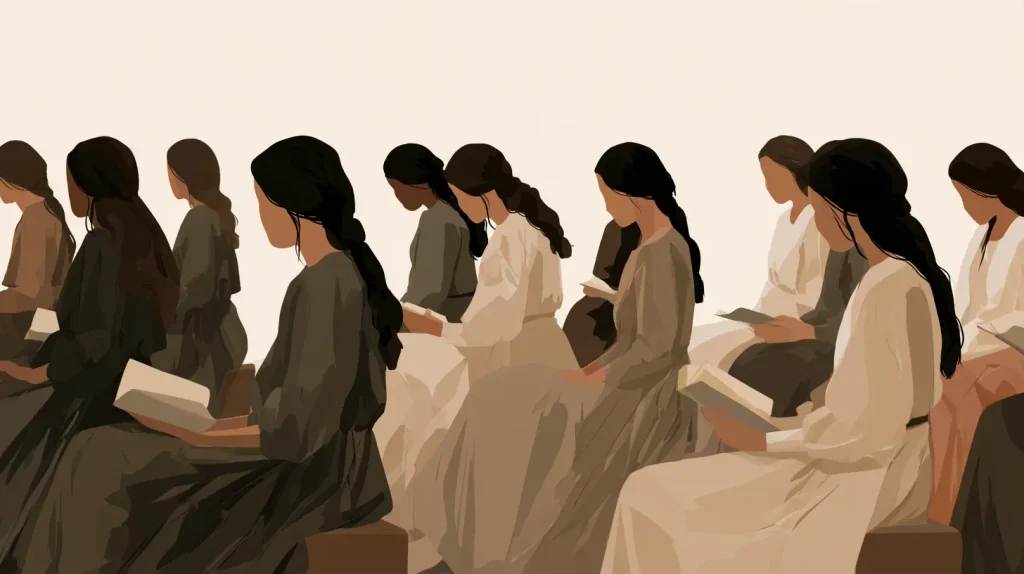
Do you ever feel like you are just reading a transcript to your class instead of actually teaching? It is a common challenge. Teaching from General Conference is a unique, sacred privilege, yet it can feel overwhelming to distill hours of inspired content into a short lesson. I know that feeling of wanting to do justice to the messages we hear, but struggling with the logistics of preparation. If you want to move away from lecturing and start facilitating spiritual discussions that truly resonate with your audience, you are in the right place. Today, I am breaking down seven simple, actionable prep tips to help you transform your approach. These strategies are not just about time management; they are about preparing your own heart so that you can facilitate meaningful, vulnerable conversations that change hearts and invite the Spirit into the room. Let’s make your next lesson preparation feel more inspired, deeply personal, and less stressful as we learn to honor the messages given by our modern-day prophets.
1. Study and Ponder
The first step is study and prayer. You must immerse yourself in the message before you ever try to teach it. I love listening to a talk while I am doing chores, driving, or going on a run. There is something about physical movement that helps me process and retain information far better than just sitting still. This immersion helps me decide which personal stories to share or what specific highlights will resonate with the sisters. Beyond study, pray specifically for those you teach. Don’t just pray for the logistics; pray to understand their needs. Ask Heavenly Father for eyes to see them as He does. Because you have been set apart for this calling, you have the authority to ask for these spiritual gifts. Also, look up the scriptures cited in the talk and explore their footnotes to see the full context. When you spend extra time cross-referencing, you often find that the speaker is drawing on the same doctrinal foundations found throughout the Standard Works. This deeper study builds your own testimony first, which makes it much easier to share that excitement with the class later. Try to block out distinct times in your week where you are not just reading, but actively ponderizing phrases that strike a chord in your heart.
2. Identify Core Themes and Quotes
After you have studied the talk thoroughly, focus on three to five key principles rather than trying to cover the entire address. Trying to cram everything into a 20-minute lesson is nearly impossible and turns your teaching into a checklist rather than a spiritual experience. I like to identify what I call ‘truth bombs’—simple, independent phrases from the talk that convey a powerful doctrine on their own. By selecting just a few of these, you avoid the trap of rushing. If you are hyper-focused on hitting every single point in the text, you will miss the opportunities where the Spirit is telling you to slow down or to call on a specific sister who has something important to share. Teach less to teach better, ensuring your points connect directly to the needs of your ward. If you have a particularly long talk, look for a recurring theme or a specific challenge the prophet has issued. Focus your entire lesson arc around that one central invitation. This keeps the class focused, prevents overwhelm, and helps the women leave with a single, actionable thought they can actually apply in their homes that week.
3. Formulate Open-Ended Questions
Engaging questions are the heartbeat of a lively class. Avoid questions that invite a simple ‘yes’ or ‘no,’ as these end conversation immediately. For example, instead of asking, ‘Are you a child of God?’ which invites a one-word answer, try asking, ‘What helps you feel closer to Heavenly Father as a child of God?’ Even if you feel unprepared, starting with a broad, open-ended question like, ‘What did you like about this talk?’ is an excellent way to launch a discussion. Use the initial answers from your class members to follow up with deeper, more specific questions. This allows the group to discover truths together. You will find that you have a truly fruitful conversation without ever feeling the need to lecture or present the entire transcript word-for-word. When someone shares a personal experience, follow up by asking, ‘How did that change your perspective?’ or ‘What did that teach you about the Savior’s character?’ These types of questions honor the contributors and help the class see the gospel in everyday life, rather than just as a series of abstract concepts in a manual.
4. Notice Invitations and Blessings
To help your class move from hearing to doing, explicitly identify the doctrines, the invitations to act, and the promised blessings within the talk. I recommend printing a copy of the talk and using three different colored highlighters. Use one color for doctrines, one for invitations, and one for promised blessings. Often, the blessings appear toward the end of the talk, but identifying them early allows you to weave them throughout your discussion. When you invite your sisters to act on the specific invitations of the speaker, you give them a way to test the Lord’s promises. As they act and receive those blessings, their faith and testimonies grow. This practice turns a static lesson into an active, life-changing experience that motivates them to live the gospel. When you see a promise, ask the class, ‘Why do you think the Lord links this specific blessing to this specific action?’ This invites them to ponder the cause-and-effect relationship in the gospel and deepens their understanding of the Savior’s desire to help us grow through our obedience.
5. Arrange the Room
The physical environment of your room dictates the energy of the lesson. If you maintain the traditional rows of chairs with the teacher at the front, you inadvertently create a hierarchy where the teacher is the ‘expert’ and the sisters are merely the audience. To encourage vulnerability and genuine connection, consider changing the layout. While a U-shape is better than rows, a circle is the best way to make everyone feel like an equal, contributing member of the conversation. When everyone is in a circle, there is no ‘front’ of the room. This simple change communicates safety and unity without you having to say a single word. It invites sisters to participate because they can see each other’s faces and feel included in the circle of testimony. Even if the room has fixed furniture, try to adjust the chairs to break the ‘lecture’ feel. When the women can see one another as they speak, the conversation naturally shifts from ‘the teacher and the class’ to ‘friends and disciples’ learning from each other. It fosters an environment where the Spirit can move more freely because the barrier of formality has been removed.
6. Use a Warm-Up
Start your class with a low-stakes warm-up to help everyone settle in. This is not an icebreaker game; rather, it is a bridge to the main topic. You might ask, ‘What is one word that describes how you felt when you first heard this talk?’ This question requires very little vulnerability, which helps participants feel comfortable and safe enough to share later in the lesson. Alternatively, you could share a short video, a relevant scripture story, or a brief anecdote from the speaker that sets the tone. Whatever you choose, keep it short, sweet, and simple. Your goal is to use this as a segue into the meat of the discussion. You want to invite the Spirit and build trust, not take up your precious lesson time with long activities. A well-placed warm-up helps transition the room from the chatter of social visiting to a mindset of worship and learning. It signals that we have gathered for a shared purpose, and it gives every woman in the room an early opportunity to contribute her voice, which makes it significantly more likely she will speak up during the deeper parts of the discussion later on.
7. Embrace Silence
The final, and perhaps hardest, tip is to embrace the silence. When you ask a question and the room goes quiet, it is 1,000% okay to just wait. Do not feel the need to jump in and rescue the group or answer your own question. Give the participants at least five to seven seconds of silence. Assume they are thinking and feeling, not that they are disinterested. Most people need time to formulate their thoughts. Remember, as a student, you never remember the ten seconds of silence in a lesson, so don’t fear it as a teacher. That silence is sacred time—it is a space where the Spirit can speak to individual hearts without interruption. Let them have that space to process and relate the talk to their own lives. If you rush in to fill the gap, you might inadvertently shut down a powerful thought that was just about to be voiced. Practicing patience is a form of showing respect for the sisters in your class. It shows you value their input enough to wait for it, which builds a culture of trust and deeper spiritual reflection within your group.
Conclusion
Teaching from General Conference does not require you to be a perfect public speaker or to cover every single sentence of a talk. It is about facilitating and creating a holy space where the Spirit can fill the room and teach each individual what they specifically need to hear. By preparing your heart through prayer, using thoughtful questions, arranging your room for connection, and having the courage to embrace the silence, you will be able to help your sisters connect much more deeply with the inspired words shared at conference. You are uniquely called to serve your specific group of women, and the Lord will magnify your efforts as you prepare. Whether your class is small or large, the principles of active participation and prayerful preparation remain the same. Trust that Heavenly Father knows exactly who will be in that room and what they need to receive. Which of these seven tips are you going to try this Sunday? Let me know in the comments below!
If you feel like you are spending too much time worrying about the logistics of your lesson outline and not enough time being guided by the Spirit, I have created a resource specifically for you. I have developed a guide to help you break down any General Conference talk into a discussion-ready format, so you don’t have to start from scratch. Click the link below and make your next lesson preparation easier.



Leave a Reply