Introduction
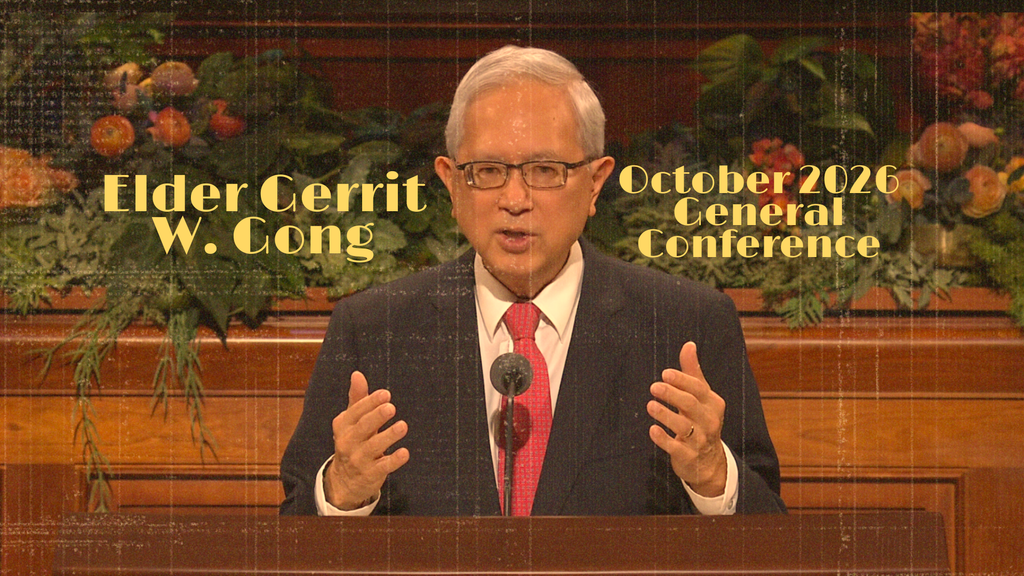
In this message, Elder Gerrit W. Gong teaches that as temples come closer geographically, the Lord is also inviting His covenant blessings to come closer to our homes and hearts. His message moves beyond simply encouraging more frequent temple attendance. Instead, he invites disciples of Jesus Christ to understand the doctrine behind temple worship and then allow that doctrine to create a personal temple culture in everyday life.
This makes the talk especially meaningful for a Relief Society lesson. Sisters may come to the discussion with very different experiences surrounding temples, marriage, family relationships, repentance, family history, and temple attendance. Some may attend the temple frequently. Others may be preparing to attend for the first time, returning after years away, living far from a temple, navigating difficult family relationships, or carrying complicated feelings surrounding eternal families.
Rather than trying to cover every statement in one lesson, teachers can use the sections below to identify the principles their sisters most need. Each section follows the chronological progression of Elder Gong’s message and includes direct quotes from the talk, ten discussion questions, five object lesson ideas, and ten personal sharing prompts.
The goal is not simply to help sisters understand more about the temple. It is to help them consider what it might mean to create a personal temple culture—one in which covenants, Jesus Christ, repentance, family history, gratitude, sacrifice, and eternal relationships increasingly shape the way they live.
Section 1: God’s Work Is to Bring His Family Home
The Principle
Elder Gong begins with the eternal purpose behind temple worship. Before discussing temple attendance, ordinances, family history, or temple culture, he establishes why temples exist.
He teaches that Heavenly Father’s work and glory centers on His children returning to Him, united as eternal families. Temple marriage is therefore more than a beautiful ceremony or hopeful ideal. Covenant belonging calls husbands and wives to build relationships through commitment, sacrifice, consecration, and consistent spiritual nourishment.
Direct Quotes from the Talk
“In our day, the Lord is bringing His glory, house, and covenant blessings closer to our homes and hearts. Foundational doctrine can deepen our love for the Lord. It can increase our understanding of the temple and personal temple culture.”
“First, doctrinal foundation: Heavenly Father’s work and glory is for us to return to Him, united as families, happy and forever.”
“Temple marriages are meant to last forever. Covenant belonging unites a husband, wife, and children. Not until death do we part. Not until convenience or attraction fade, but by covenant commitment, sacrifice, and consecration.”
“Consistent spiritual nourishment through prayer, scripture, church attendance, service, and so on bless and sanctify our marriages and relationships.”
Discussion Questions
- What changes when we see the temple as part of Heavenly Father’s work of bringing His children home rather than simply as a place we attend?
- What do you think Elder Gong means by bringing covenant blessings “closer to our homes and hearts”?
- What is the difference between a relationship based primarily on feelings and one grounded in covenant commitment?
- Why do you think Elder Gong specifically mentions sacrifice and consecration when describing eternal marriage?
- How can ordinary practices like prayer, scripture study, Church attendance, and service actually sanctify relationships?
- What does “covenant belonging” mean to you?
- How might understanding the eternal purpose of marriage change the way we approach difficult seasons within marriage?
- Why might spiritual nourishment be just as important to a relationship as emotional or physical nourishment?
- How can women who are not currently married still apply the principle of covenant belonging?
- If the Lord is bringing temple blessings closer to our homes and hearts, what might He be inviting us to change at home?
Object Lesson Ideas
1. The Three-Strand Cord
Bring three strands of cord. Label them husband, wife, and God. Show how the strands become stronger when woven together. Discuss how covenant marriage is not simply a commitment between two people; God is part of the covenant relationship.
2. Nourishing a Plant
Bring a healthy plant and discuss everything required to keep it alive: water, sunlight, soil, and consistent care. Compare those necessities to prayer, scripture study, worship, service, forgiveness, and temple attendance. Relationships rarely remain spiritually healthy without nourishment.
3. Contract vs. Covenant
Write “contract” on one side of the board and “covenant” on the other. Invite sisters to describe the differences. Discuss Elder Gong’s phrase “not until convenience or attraction fade.”
4. A House Foundation
Show a photograph or model of a house foundation. Beautiful furnishings cannot compensate for a failing foundation. Ask what doctrinal truths provide the foundation for eternal relationships.
5. An Empty Picture Frame
Hold up a family picture frame without a picture. Explain that the temple is ultimately not about a building—it is about people and relationships being brought into God’s eternal family.
Personal Sharing Prompts
- Share something that has helped you better understand covenant belonging.
- Share a spiritual habit that has strengthened one of your relationships.
- Tell about a time sacrifice actually increased love within your family.
- Share how your understanding of eternal families has changed over time.
- Describe a time keeping a covenant helped you make a difficult decision.
- Share something you have learned about consecration through marriage, motherhood, ministering, or another relationship.
- Talk about a relationship that became stronger because both people kept choosing it.
- Share something you do in your home that helps create a temple-centered culture.
- Describe a time when remembering the eternal perspective changed how you handled a temporary frustration.
- Share what the phrase “happy and forever” makes you hope for.
Section 2: Agency Is Essential to Eternal Relationships
The Principle
Elder Gong’s second doctrinal foundation is moral agency.
The plan of salvation allows us to learn through experience, choose Jesus Christ, repent, and ultimately receive glory through Him. Significantly, Elder Gong applies agency directly to eternal relationships. God honors agency so completely that He will not force someone into an eternal relationship that he or she does not choose.
This provides an important doctrinal balance when discussing eternal families.
Direct Quotes from the Talk
“Second, doctrinal foundation: moral agency. The morning stars sang for joy. We trust God, our Father’s loving plan, to learn by our own experience.”
“Jesus Christ redeems us from sin, physical death, and spiritual separation. God’s redeeming work is majestic in its sweep and reach.”
“As the Prophet Joseph Smith saw in vision, every person, except a very few, is saved in a kingdom of glory. We can inherit a glorified paradise-like earth and live in the highest degree of celestial glory with God our Father and Jesus Christ.”
“Agency means we choose directly and indirectly our relationships.”
“God will not require a woman or man to be sealed in living an eternal relationship he or she does not choose.”
Discussion Questions
- Why is agency essential to Heavenly Father’s plan?
- What does it mean to learn “by our own experience”?
- Why do you think Elder Gong discusses agency immediately after eternal marriage?
- What reassurance can come from knowing God will never force someone into an unwanted eternal relationship?
- How do our everyday choices indirectly shape our relationships?
- What does the breadth of God’s plan teach us about His mercy?
- How can agency and covenant commitment exist together?
- How might this doctrine bring comfort to someone whose marriage or family situation is painful or complicated?
- Why does genuine love require agency?
- How does Jesus Christ make it possible for our choices not to permanently define us?
Object Lesson Ideas
1. A Fork in the Road
Draw a road splitting into multiple paths. Small choices eventually lead to very different destinations. Discuss how we choose relationships both directly and indirectly through repeated daily decisions.
2. Open Hands
Ask someone to hold an object with an open hand rather than gripping it tightly. Discuss the difference between invitation and control. God invites us into covenant relationships while honoring agency.
3. Dominoes
Set up dominoes. One small choice can influence another and another. Discuss Elder Gong’s teaching that we choose relationships “directly and indirectly.”
4. A Door with a Handle
Show a picture of a door. Discuss how Christ invites us to enter but does not force us through it.
5. A Gift
Offer someone a wrapped gift. They must choose to receive and open it. Compare this with blessings God freely offers that still require our willing reception.
Personal Sharing Prompts
- Share a time a small choice significantly affected one of your relationships.
- Describe how respecting someone’s agency has required faith.
- Share a time someone respected your agency and it strengthened your relationship.
- Talk about a decision that brought you closer to Christ.
- Share something you have learned about allowing loved ones to make their own spiritual choices.
- Describe how agency has helped you grow.
- Share a time you had to surrender someone you loved to the Lord’s care.
- Talk about a relationship that improved when you stopped trying to control the outcome.
- Share how the Savior has helped you recover from a poor choice.
- Describe how understanding God’s respect for agency has changed your view of Him.
Section 3: Jesus Christ Can Heal and Sweeten Difficult Relationships
The Principle
Elder Gong next moves from agency to repentance, forgiveness, and healing through Jesus Christ.
One of the most powerful ideas in the entire talk is that temple service can soften our hearts toward people with whom we have difficult relationships—even those who have died. Through the Savior’s Atonement, anger and bitterness do not have to become permanent parts of us.
Direct Quotes from the Talk
“Agency, faith, and repentance, and Jesus Christ’s Atonement make change and forgiveness possible. As we become new creatures in Jesus Christ, we sweeten our relationships.”
“Temple service evokes our Savior’s Atonement. It softens hearts.”
“On both sides of the veil, we find hope and healing when we perform temple ordinances for family members with whom we may have had difficult relationships.”
“Jesus Christ can help us mend, forgive, and move forward.”
“We exclaim, ‘When I did the temple work for my family member, my heart softened. I could forgive. I was freed. Anger and bitterness left. I felt peace for the first time.’”
“We may even come to desire healing with those family members. Rich blessings await.”
Discussion Questions
- What do you think it means for Jesus Christ to “sweeten our relationships”?
- Why might temple service soften feelings toward someone with whom we have struggled?
- What is the difference between forgiveness and pretending something harmful never happened?
- Why can anger and bitterness sometimes feel difficult to release?
- What does Elder Gong’s phrase “I was freed” teach about forgiveness?
- How can forgiveness bless us even when reconciliation is not currently possible or appropriate?
- What role does Jesus Christ play in healing wounds we cannot heal ourselves?
- Have you ever considered doing temple work as part of your process of healing a family relationship?
- Why might healing sometimes occur after someone has passed away?
- What would “mend, forgive, and move forward” look like without requiring us to return to unsafe circumstances?
Object Lesson Ideas
1. Bitter Water
Add something bitter, such as unsweetened cocoa, to water. Then compare bitterness to resentment. Discuss how Christ can transform what we cannot simply will ourselves to stop feeling.
2. A Heavy Backpack
Fill a backpack with heavy books labeled anger, resentment, hurt, and bitterness. Have someone carry it. Removing the books represents the freedom Elder Gong describes.
3. A Knot
Bring a tightly knotted rope. Some relational problems cannot simply be pulled apart quickly. Patiently loosen the knot while discussing Christ’s ability to help us “mend, forgive, and move forward.”
4. A Broken Object Repaired
Use a repaired ceramic object or torn paper taped back together. Healing does not erase history, but brokenness does not have to be the end of the story.
5. Sugar in Water
Add sugar to water and stir until it dissolves. Discuss Elder Gong’s phrase “sweeten our relationships” and how becoming new creatures in Christ changes what we bring into relationships.
Personal Sharing Prompts
- Share a time the Savior helped soften your heart toward someone.
- Describe a time forgiveness gave you greater freedom.
- Share an experience when temple worship changed how you felt about a family member.
- Talk about a relationship the Lord helped you see differently.
- Share something you have learned about forgiveness that you did not understand when you were younger.
- Describe a time you felt bitterness begin to leave.
- Share how prayer has helped you navigate a difficult relationship.
- Talk about a time Christ helped you move forward even when circumstances did not change.
- Share how repentance has improved one of your relationships.
- Describe a moment when you felt peace replace something painful.
Section 4: Do Not Delay the Peace Repentance Can Bring
The Principle
After describing healing and forgiveness, Elder Gong gives a direct invitation: do not procrastinate repentance.
His emphasis is not simply on avoiding future consequences. He teaches that repentance gives us spiritual peace and joyful freedom now.
Direct Quotes from the Talk
“Rich blessings await.”
“Please do not procrastinate the day of your repentance until the end.”
“Please do not deliberately delay the spiritual peace and joyful freedom Jesus Christ wants you to have now.”
Discussion Questions
- Why do people sometimes postpone repentance?
- What does Elder Gong’s phrase “joyful freedom” teach about repentance?
- How does viewing repentance as a gift change our feelings about it?
- What peace can come before every consequence or problem has been resolved?
- Why might Satan want us to associate repentance primarily with shame?
- What does Christ want us to experience now?
- What is the difference between feeling guilt that leads us toward Christ and shame that makes us hide from Him?
- How can regular repentance become part of a healthy temple culture?
- What would you say to someone who believes she has waited too long to change?
- Is there something we sometimes hold onto simply because we have carried it for so long?
Object Lesson Ideas
1. Carrying a Rock
Have someone hold a heavy rock throughout part of the lesson. Eventually ask why she did not put it down sooner. Connect this to delaying repentance.
2. An Unopened Gift
Bring a beautifully wrapped gift labeled “peace.” Explain that Christ offers it, but we sometimes leave it unopened through procrastination.
3. Dirty Window
Smudge a pane of glass and then clean it. The world outside did not change, but the ability to see clearly did.
4. Reset Button
Show a reset symbol. Repentance is not merely punishment for getting something wrong; through Christ it allows us to turn and begin again.
5. A Clock
Set a clock in front of the class and ask, “Why wait?” Discuss Elder Gong’s emphasis on the peace Jesus Christ wants us to experience now.
Personal Sharing Prompts
- Share a time repentance brought immediate peace.
- Describe how your understanding of repentance has matured.
- Share something that helped you stop being afraid of repentance.
- Talk about a time you wished you had turned to the Savior sooner.
- Share how repentance has brought freedom rather than restriction.
- Describe a time you felt spiritually lighter after making a change.
- Share what helps you make repentance a regular practice.
- Talk about how the temple has increased your desire to become more like Christ.
- Share a time the Savior helped you believe change was still possible.
- Describe what “joyful freedom” through Christ means to you.
Section 5: The Holy Spirit of Promise Makes Covenants Eternally Binding
The Principle
Elder Gong’s third doctrinal foundation explains that receiving an ordinance is not the end of covenant discipleship. The Holy Spirit of Promise confirms ordinances and covenants as we faithfully honor them.
This section provides an opportunity to discuss the difference between simply participating in an ordinance and actually living the covenant associated with it.
Direct Quotes from the Talk
“Third doctrinal foundation: When the Holy Spirit of Promise witnesses and confirms the efficacy of ordinances and covenants, they become binding in time and eternity.”
“In His sacred office, Holy Spirit of Promise, the Holy Ghost witnesses to the Father that the saving ordinances have been performed properly, and that the covenants associated with them have been kept.”
“As we honor our covenants, the Holy Spirit of Promise seals our relationships with efficacy, virtue, and force. They are written in the Lamb’s Book of Life.”
“In contrast, we would not expect ordinances and covenants we do not honor in faith and action, do not choose or desire, or perhaps even disregard or mock, to be binding upon us on earth or in heaven.”
Discussion Questions
- What does the Holy Spirit of Promise teach us about the ongoing nature of covenants?
- Why is receiving an ordinance only the beginning?
- What does it mean to honor a covenant “in faith and action”?
- Why do you think desire matters alongside outward behavior?
- How can this doctrine deepen our understanding of temple sealing?
- What is the difference between having made covenants and becoming a covenant-keeping person?
- How can covenant keeping influence everyday decisions?
- What does it teach you about God that He cares about both ordinances and how we subsequently live?
- How might this doctrine prevent us from treating temple ordinances like a spiritual checklist?
- What covenant could you more intentionally honor this week?
Object Lesson Ideas
1. Signing vs. Living a Contract
Show a signed agreement. Signing something means little if we completely disregard its terms. Discuss how covenants require continued faithfulness.
2. Wedding Ring
A wedding ring represents a commitment, but wearing the ring alone does not create a healthy marriage. Likewise, an ordinance points to a covenant we then live.
3. Passport and Journey
A passport allows access to a journey, but possessing it is different from actually traveling. Ordinances open covenant possibilities that must then be lived.
4. Seal on an Envelope
Use a wax seal or envelope seal to illustrate confirmation and authenticity. Connect it carefully to the Holy Spirit of Promise.
5. Fruit Tree
A label saying “apple tree” means little if the tree never grows fruit. Ask what “fruit” covenant keeping produces in a disciple’s life.
Personal Sharing Prompts
- Share a time keeping a covenant required more than you expected.
- Describe a covenant that has become more meaningful with age.
- Share how temple covenants influence an everyday decision.
- Talk about a time you felt the Holy Ghost confirm that you were on the right path.
- Share how your understanding of covenant keeping has changed.
- Describe how living a covenant has changed who you are.
- Share something you do to remember your covenants.
- Talk about a time honoring a covenant required sacrifice.
- Share how covenants have given stability during uncertainty.
- Describe what it means personally to you to choose your covenants.
Section 6: A Temple Dedication Is a Beginning, Not the Finish Line
The Principle
After establishing the doctrinal foundation, Elder Gong turns to the practical question of developing a personal temple culture.
His first principle is particularly important in an era of unprecedented temple construction: the announcement, groundbreaking, construction, and dedication of a temple are milestones—but the real blessing comes through what happens spiritually afterward.
Direct Quotes from the Talk
“With this doctrinal foundation, let us consider five elements of personal temple culture.”
“First, a temple dedication is a beginning.”
“We’re naturally excited when a temple is announced, groundbreaking and construction occur, and dedication takes place. Each is a milestone.”
“We are grateful our temples and everything in them are physically beautiful. Let us celebrate and treasure even more the spiritual blessings temples bring.”
Discussion Questions
- Why does Elder Gong call a temple dedication a beginning?
- How can we unintentionally focus more on the building than what happens inside it?
- What spiritual blessings should we treasure even more than a temple’s physical beauty?
- What does a personal temple culture look like after the excitement of a dedication fades?
- How can a nearby temple actually change the culture of a home?
- What would it look like to measure the impact of a temple spiritually rather than geographically?
- Why might the Lord be bringing so many temples closer to His people?
- How can we prepare ourselves before a temple opens nearby?
- What is one temple blessing you may sometimes take for granted?
- How can we help younger generations understand that temples are more than beautiful buildings?
Object Lesson Ideas
1. Starting Line
Use tape to create a starting line on the floor. Explain that temple dedication is not crossing a finish line—it is stepping across a starting line.
2. Beautiful Box
Show an ornate box. Ask whether its beauty matters if no one ever opens it to receive what is inside.
3. House vs. Home
Show a photograph of a beautiful house and discuss the difference between admiring a house and creating a meaningful home inside it.
4. Gym Membership
Having a gym nearby does not make someone stronger; actually using it does. Similarly, proximity to a temple creates opportunity but does not automatically create spiritual transformation.
5. Temple Photograph
Show a temple photograph and ask sisters to list everything a temple makes possible, moving the discussion from architecture to ordinances, covenants, revelation, healing, and family.
Personal Sharing Prompts
- Share what you remember about a temple dedication or open house.
- Describe a spiritual blessing the temple has brought into your life.
- Share how living near or far from a temple affected your worship.
- Talk about a time the temple became more than a building to you.
- Share how your temple worship has changed through different seasons of life.
- Describe what you hope your children or grandchildren understand about temples.
- Share a temple-related blessing you once took for granted.
- Talk about how you prepare spiritually before attending.
- Share something you could do to make the temple more central in your life.
- Describe what “personal temple culture” means to you.
Section 7: As Temples Come Closer, We Can Sacrifice in New Ways
The Principle
Elder Gong honors generations of Saints who sacrificed tremendous amounts of time, money, and travel to attend the temple. But he teaches that easier access should not eliminate sacrifice. Instead, the form of our sacrifice can change.
We can attend more regularly, bring family names, and serve as both patrons and ordinance workers as our circumstances allow.
Direct Quotes from the Talk
“Second, over the years, when temples were distant, faithful members sacrificed to be sealed in the temple. Some members could come to the temple only once or twice in their lives; in some cases, once a year.”
“Today, as temples come closer in many places, we can manifest the precious spirit of temple sacrifice in new ways.”
“We can come to the temple more often. We can search and bring more family names to bless deceased loved ones.”
“As the seasons of our lives allow, we can regularly serve in the Lord’s house, both as temple patron and temple ordinance worker.”
Discussion Questions
- What does “the spirit of temple sacrifice” mean to you?
- Why might greater convenience sometimes reduce our sense of sacrifice?
- How can we preserve sacrifice even when the temple is close?
- What are some modern sacrifices involved in regular temple worship?
- Why do you appreciate Elder Gong’s phrase “as the seasons of our lives allow”?
- How can that phrase help us avoid comparison or guilt?
- How does bringing our own family names change the temple experience?
- What might temple sacrifice look like for a mother with young children? A caregiver? An older sister? Someone who works weekends?
- Why does sacrifice often make something feel more sacred?
- What is a realistic way you could increase temple worship in your current season?
Object Lesson Ideas
1. Jar of Time
Fill a jar with objects representing responsibilities. Ask where temple worship could fit. The lesson is not that every person must make identical sacrifices, but that we intentionally make room according to our season.
2. Old Travel Map
Show how far early Saints sometimes traveled to temples compared with current distances. Ask what sacrifice looks like now.
3. Family Name Card
Bring a family name card or example and discuss how adding personal family history can deepen temple worship.
4. Different-Sized Containers
Use containers of different sizes to represent different life seasons. Each person may have different capacity, but each can offer something.
5. A Calendar
Mark temple time on a calendar before filling it with other activities. Discuss intentionality rather than rigid frequency.
Personal Sharing Prompts
- Share a sacrifice you or an ancestor made to attend the temple.
- Describe how temple attendance looks different in your current season.
- Share a time making a sacrifice for the temple increased its meaning.
- Talk about an experience taking a family name to the temple.
- Share something you have learned from serving as a temple worker, if applicable.
- Describe a season when temple attendance was difficult and what helped you stay connected.
- Share how living closer to a temple has affected you.
- Talk about a creative way you have made room for temple worship.
- Share a family story connected to temple sacrifice.
- Describe one temple sacrifice that currently feels meaningful rather than burdensome.
Section 8: Temple Worship Should Be Characterized by Gratitude, Not Entitlement
The Principle
Elder Gong next addresses the spirit we bring into the Lord’s house.
The power of temple ordinances does not depend on whether a temple is large, elaborate, convenient, or impressive. Ordinances and covenants are not “big or small.” Every dedicated temple is the house of the Lord.
His invitation is to replace comparison and entitlement with gratitude.
Direct Quotes from the Talk
“Everything in each temple testifies of Jesus Christ.”
“In each temple, by authority and in the name of the Lord, ordinances and covenants are truly and faithfully performed and properly recorded. When patrons do their best, our service is acceptable to the Lord.”
“For temple sacrifice and temple service include a spirit of gratitude.”
“On occasion, a few members may think attending the temple is a right or entitlement, rather than a sacred privilege.”
“Some others may feel the temple is smaller or less worthy than they expected.”
“I said, ‘Dear brother, dear sister, ordinances are not big or small. Covenants are not big or small.’”
“Please let us never speak of a temple as big or small, elaborate or plain. Let us always only speak with love and gratitude for holiness to the Lord, the house of the Lord.”
“Please, dear brothers and sisters, wherever we live, let us always be grateful for the gifts of eternity sacred temples bring.”
Discussion Questions
- What does it mean that “everything in each temple testifies of Jesus Christ”?
- Why might entitlement interfere with temple worship?
- What is the difference between approaching the temple as a right and approaching it as a privilege?
- Why do humans tend to compare buildings, experiences, or circumstances?
- What do you learn from the statement “ordinances are not big or small”?
- How does gratitude change the way we experience sacred things?
- Why might Elder Gong emphasize that our service is acceptable when we do our best?
- How can we respond more graciously when temple experiences do not go exactly as planned?
- How can we teach children to focus on the holiness of the temple rather than its appearance?
- What “gifts of eternity” has the temple brought into your life?
Object Lesson Ideas
1. Two Gift Boxes
Use one beautifully decorated box and one plain box containing identical meaningful gifts. Ask whether the value of the gift changes because of the packaging.
2. Different-Sized Temple Pictures
Show photographs of temples of very different sizes. Ask what happens inside each one. Emphasize: ordinances are not big or small.
3. Empty Cup vs. Grateful Cup
Label one cup “entitlement” and another “gratitude.” Discuss how our attitude changes what we notice and receive.
4. Privilege Ticket
Give each sister a pretend invitation to something priceless. Discuss the difference between expecting access and feeling humbled by access.
5. Magnifying Glass
Use a magnifying glass to represent what we choose to focus on. Are we magnifying inconvenience—or holiness?
Personal Sharing Prompts
- Share something about the temple for which you feel especially grateful.
- Describe a temple that has special meaning to you and why.
- Share a time a simple temple experience became sacred.
- Talk about a time inconvenience taught you gratitude.
- Share how your attitude before entering the temple affects your experience.
- Describe a moment when you felt your imperfect offering was accepted by the Lord.
- Share what you love about the universality of temple ordinances.
- Talk about a time you noticed Christ more clearly in the temple.
- Share something you hope never to take for granted about temple worship.
- Describe one way gratitude could change your next temple visit.
Section 9: Be a Strong Link in Your Eternal Family
The Principle
Elder Gong then expands temple culture beyond the individual.
Temple worship connects families on both sides of the veil. New converts who may feel alone become part of a vast eternal family. Family history can connect generations. And regardless of where we stand in our family’s history with the Church, we can choose to become a strong link.
He even suggests tangible ways our temple culture can become visible to future generations, including reverently owning and caring for ceremonial temple clothing when circumstances allow.
Direct Quotes from the Talk
“Look for the miracles.”
“Some new converts feel alone, but you are part of Heavenly Father’s family. And when you take family names to the temple, your eternal family extends on both sides of the veil.”
“My father and mother joined our Church as the only members in either of their families. Today, family history and genealogy help connect many Gong and Char family generations.”
“Whatever generation you are in the Church, in the chain of your eternal family, please be a strong link.”
“If possible, please consider setting forth and buying your own ceremonial temple clothes: cap, veil, robe, sash, apron.”
“As we reverently care for and use our own temple clothes, our children and grandchildren can see we love the Lord and our temple covenants.”
“I know a family of modest means, at their widow mother’s request, the children saved and purchased their mother her own ceremonial temple clothes. Their mother loved using her own temple clothing as she regularly attended the temple for many years.”
“When their mother passed away, the family honored their mother’s request by burying her in her temple clothes. Their dear mother was ready to enter eternity, prepared for the glorious resurrection.”
“Dear brothers and sisters, come worship and rejoice with the Lord in the house of the Lord, in temple doctrine, and in your own personal temple culture.”
Discussion Questions
- What does it mean to be a “strong link” in an eternal family?
- Why is that invitation meaningful whether you are a first-generation member or come from generations of Church membership?
- How can family history help someone who feels spiritually alone?
- What does Elder Gong mean when he says our eternal family extends “on both sides of the veil”?
- How can our temple worship influence children and grandchildren who may not even understand it yet?
- Why can tangible expressions of faith—such as caring for temple clothing—be meaningful to future generations?
- What kind of spiritual legacy are we creating through our relationship with the temple?
- How can one person change the spiritual trajectory of generations?
- What miracles have you seen connected to family history or temple work?
- If someone described your personal temple culture fifty years from now, what would you hope they would say?
Object Lesson Ideas
1. Paper Chain
Create a paper chain representing generations. Mark one link with your name. Remove it and show what happens. Discuss Elder Gong’s invitation to be a strong link.
2. Family Tree
Bring a simple family tree. Point upward to ancestors and downward to descendants. Temple worship reaches in both directions.
3. Heirloom
Bring an item passed down through your family. Ask what spiritual “heirlooms” we hope to pass down.
4. One Candle Lighting Another
Light one candle and use it to light several others. One person’s covenant faithfulness can bless generations.
5. Temple Clothing Bag
Without displaying sacred clothing, show or describe a temple clothing bag and discuss how ordinary objects can quietly testify to children that sacred things matter to us.
Personal Sharing Prompts
- Share about someone in your family who has been a strong spiritual link.
- Describe what generation of Church membership you are and how that affects your perspective.
- Share an experience finding an ancestor through family history.
- Talk about a temple experience involving a family name.
- Share a spiritual legacy you hope to leave your children or grandchildren.
- Describe a family member whose faith still influences you.
- Share a miracle you have experienced through family history or temple work.
- Talk about a tradition that communicates to your family that the temple matters.
- Share what you hope future generations understand about your testimony.
- Finish this sentence: “In the chain of my eternal family, I want to be a strong link by…”
Section 10: Temple Blessings Bring Protection, Healing, Peace, and Eternal Unity
The Principle
Elder Gong concludes by gathering the entire message back to its purpose.
Personal temple culture is not about checking a box, accumulating temple visits, comparing temples, or creating another measure of righteousness. Temple doctrine and temple worship bring us to Jesus Christ.
Through Him and His house come protection, inspiration, forgiveness, healing, peace, and the eternal uniting of those we love.
Direct Quotes from the Talk
“Dear brothers and sisters, come worship and rejoice with the Lord in the house of the Lord, in temple doctrine, and in your own personal temple culture.”
“God and temple ordinances can protect, bless, and inspire, bring forgiveness, healing, and peace, and unite loved ones here and away.”
“May these blessings of eternity be ours in greater abundance.”
Discussion Questions
- Which of the temple blessings Elder Gong lists do you most need right now: protection, inspiration, forgiveness, healing, peace, or unity?
- Why do you think he uses the word “rejoice” when inviting us to the temple?
- How can temple worship bring healing?
- In what ways have temple covenants protected you spiritually?
- How has the temple brought peace even when your circumstances did not change?
- What does it mean for temple blessings to unite loved ones “here and away”?
- How can we keep temple worship centered on Jesus Christ rather than performance?
- After studying this talk, how would you now define “personal temple culture”?
- What is one aspect of your temple culture you would like to strengthen?
- What would it look like for these “blessings of eternity” to exist in greater abundance in your home?
Object Lesson Ideas
1. An Umbrella
Open an umbrella and label it with temple covenants. It does not prevent every storm, but it can provide protection while we move through one.
2. Medicine Cabinet
Display several empty containers labeled healing, peace, forgiveness, inspiration, and protection. Discuss the different spiritual blessings Elder Gong associates with temple worship.
3. Temple at the Center
Place a picture of Jesus Christ in the center, with a temple beside it. Arrange cards around them labeled family, marriage, repentance, forgiveness, family history, peace, and covenants. Show how every theme ultimately points toward Christ.
4. A Compass
Use a compass to represent how temple covenants orient our lives toward eternity even when circumstances change.
5. A Home and Temple
Place a picture of a home beside a picture of a temple. Connect them with a ribbon. Return to Elder Gong’s opening idea: the Lord is bringing His house and covenant blessings closer to our homes and hearts.
Personal Sharing Prompts
- Share a time you left the temple with greater peace than when you entered.
- Describe how temple covenants have protected you.
- Share a time you received inspiration in or because of the temple.
- Talk about a healing experience connected to temple worship.
- Share how the temple has helped you forgive.
- Describe how temple worship has strengthened your relationship with Jesus Christ.
- Share a time the temple helped put a difficult situation into eternal perspective.
- Talk about one temple blessing you hope to experience in greater abundance.
- Share what you want your personal temple culture to look like going forward.
- Describe one invitation from Elder Gong’s message you feel personally prompted to act on.
Conclusion
Elder Gong’s message teaches that creating a personal temple culture involves much more than determining how frequently we enter a temple.
It begins with doctrine.
We understand that Heavenly Father’s work is to bring His children home, united as eternal families. We honor agency and recognize that God does not force eternal relationships. We rely upon Jesus Christ to change us, soften our hearts, help us forgive, and heal relationships. We repent rather than postponing the peace Christ offers. And we understand that covenants become powerful in our lives as we choose to faithfully honor them.
From that doctrinal foundation grows a personal temple culture.
We recognize that a temple dedication is a beginning. We preserve the spirit of sacrifice even as temples come closer. We approach the Lord’s house with gratitude instead of entitlement. We stop comparing the size or appearance of temples and treasure the ordinances performed within them. We seek our ancestors, take family names to the temple, and choose to become strong links in our eternal families.
Most importantly, we allow the temple to bring us closer to Jesus Christ.
For a Relief Society teacher, this talk offers many possible directions for a lesson. You do not need to teach every section. Instead, prayerfully consider the sisters in your class. Perhaps they need to discuss healing difficult family relationships. Perhaps they need Elder Gong’s reassurance about agency and eternal relationships. Perhaps they need to rediscover gratitude for a nearby temple. Perhaps they need permission to recognize that temple worship may look different during different seasons of life. Or perhaps they simply need to remember why temple covenants matter.
The ultimate invitation is beautifully simple: create a life in which the temple is not merely somewhere you occasionally go, but where temple doctrine increasingly shapes your heart, your relationships, your home, your priorities, and your discipleship.
As Elder Gong invites:
“Come worship and rejoice with the Lord in the house of the Lord, in temple doctrine, and in your own personal temple culture.”
As we do, the blessings he describes—protection, inspiration, forgiveness, healing, peace, and eternal unity—can become more abundant not only inside the temple, but within our homes and hearts.



Leave a Reply