Introduction
What if one of the most powerful ways we could strengthen someone else’s faith was simply to share what we know about Jesus Christ?
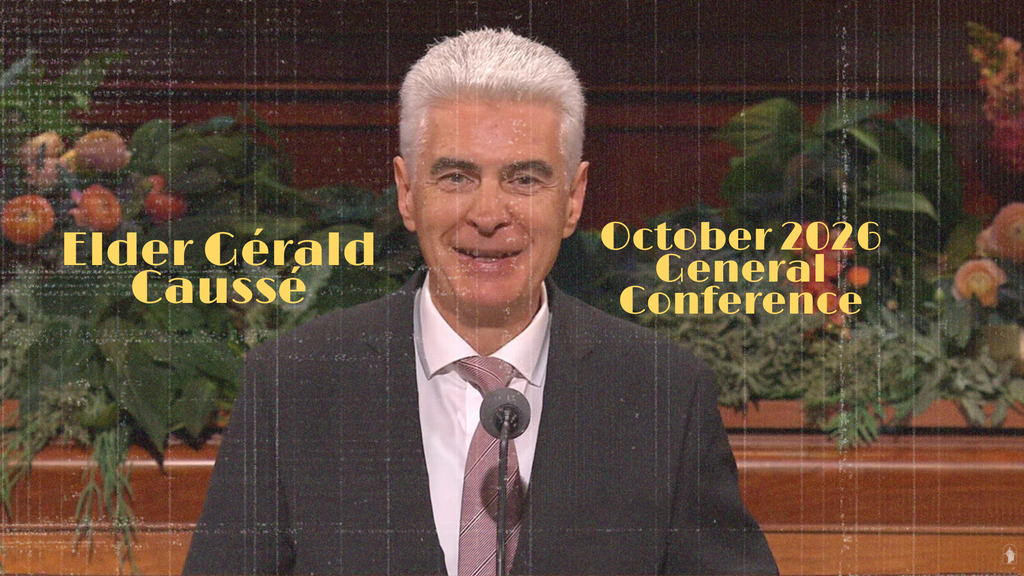
In his General Conference talk, “The Gift of Testimony,” Elder Gérald Caussé reminds us that testimony is more than something we share on fast Sunday. It is a sacred gift from Heavenly Father, a responsibility of discipleship, an expression of Christlike love, and a powerful means of helping others come unto the Savior.
Throughout his message, Elder Caussé teaches that we do not need extraordinary experiences, eloquent words, or perfect gospel knowledge to bear meaningful testimony. A few sincere words, spoken through the influence of the Holy Ghost, can have an eternal impact.
He also invites us to consider an important question: Rather than simply asking why we have been blessed with a testimony, what does the Lord expect us to do with that gift?
This question creates meaningful opportunities for Relief Society sisters to reflect on their own spiritual experiences, recognize the value of their individual testimonies, and discover simple ways to share their faith with others.
This Relief Society lesson help follows Elder Caussé’s talk chronologically through 10 discussion sections, organized around the natural changes in his message.
Each section includes direct quotes from the talk, doctrinal teaching insights, 10 engaging discussion questions, five object lesson ideas, and 10 personal sharing prompts.
Teachers can use these resources to prepare a complete Relief Society lesson or select the questions and activities most relevant to the sisters in their class. The goal is not simply to discuss testimony but to help sisters recognize the power of their own witness of Jesus Christ and feel inspired to share it.
Section 1: Our Greatest Responsibility Is to Bear Witness of Jesus Christ
The Principle
Elder Caussé begins by sharing two defining experiences from his Church service.
The first occurred when President Thomas S. Monson called him to serve as a General Authority Seventy. Feeling the weight of that calling, Elder Caussé prayed for guidance and found a reassuring scripture promising that the Lord would be with him as he bore witness of Jesus Christ.
Years later, when he was called to serve as an Apostle, that same promise returned to his heart.
These experiences taught him that although his responsibilities might change, his most important purpose would remain the same: to testify of Jesus Christ.
Direct Quotes from the Talk
“Eighteen years ago, Valérie and I received a telephone call from President Thomas S. Monson, during which he called me to serve as a General Authority Seventy. We accepted in faith, knowing that this calling would profoundly change the course of our lives.”
“The next morning, as I prayed for comfort and guidance, I felt prompted to open a copy of the Liahona magazine lying on our kitchen table. Almost immediately, my eyes found this reassuring promise from the Lord: ‘Be of good cheer, and do not fear, for I the Lord am with you, and will stand by you; and ye shall bear record of me, even Jesus Christ.’”
Elder Caussé explains what the scripture taught him:
“That scripture brought peace to my heart. I realized that my primary responsibility was simply to bear witness of the Savior. Everything else would be in His hands.”
He then describes receiving the same reassurance after his call to the apostleship:
“President Dallin H. Oaks invited me to bear my testimony of Jesus Christ. As I prepared to speak, a feeling of peace again filled my heart and those familiar words returned with power: ‘Be of good cheer, and do not fear, … and ye shall bear record of me, even Jesus Christ.’”
“In that sacred moment, I knew that nothing could be more meaningful, as my first act as a newly ordained Apostle, than to bear witness of the Redeemer of the world.”
Teaching Insights
One of the most interesting aspects of Elder Caussé’s opening story is that the Lord’s reassurance did not eliminate his responsibilities.
Instead, it clarified his purpose.
Elder Caussé did not need to know how to accomplish every part of his new calling immediately. He needed to remember whom he represented.
This principle applies far beyond formal Church callings.
Whether we are mothers, grandmothers, ministering sisters, teachers, missionaries, or friends, we can bear witness of Jesus Christ in the responsibilities we already have.
Sometimes we become so focused on everything we need to accomplish that we forget the spiritual purpose behind our efforts.
Elder Caussé’s experience invites us to simplify discipleship by asking:
How can I bear witness of Jesus Christ through what I am already doing?
10 Relief Society Discussion Questions
- Why do you think the Lord reassured Elder Caussé by reminding him to bear witness of Jesus Christ rather than explaining all his future responsibilities?
- What does the phrase “Everything else would be in His hands” teach about trusting the Lord?
- How might our approach to Church callings change if we viewed bearing witness of Christ as our central responsibility?
- Why can sharing testimony sometimes feel intimidating, even when we sincerely believe?
- How can remembering that we represent Jesus Christ simplify our service?
- What does it mean to bear witness of Christ through our actions rather than only our words?
- Why might the Lord use the same scripture to reassure us during different seasons of life?
- How can we recognize when the Lord is inviting us to share our testimony?
- What fears might become smaller if we trusted that the Lord would stand beside us?
- How would our everyday interactions change if we intentionally looked for opportunities to point others toward the Savior?
5 Object Lesson Ideas
1. A Compass: Remembering Our Purpose
Bring a compass and explain that although our surroundings change, the compass continues pointing in a consistent direction.
Compare this to our responsibility to point others toward Jesus Christ regardless of our circumstances or callings.
2. A Backpack Full of Responsibilities
Fill a backpack with objects representing different responsibilities.
Discuss how overwhelming life can feel when we focus only on everything we must accomplish.
Remove the objects one at a time and ask how remembering our central purpose of following and testifying of Christ can bring clarity.
3. A Flashlight: Pointing Toward Christ
Use a flashlight to illuminate a picture of Jesus Christ.
Explain that a testimony is not meant to draw attention to ourselves. It directs attention toward the Savior.
4. A Name Tag
Display a missionary name tag or a card bearing the name of Jesus Christ.
Ask what it means to represent Him even when we are not wearing a visible name tag.
5. A Written Promise
Write the Lord’s promise, “I the Lord am with you,” on a card.
Invite sisters to consider how their willingness to share testimony might change if they truly believed that promise applied to them.
10 Personal Sharing Prompts
- Share a time the Lord reassured you before a difficult responsibility.
- Describe a scripture that gave you courage when you felt inadequate.
- Share an experience when bearing testimony helped you feel closer to Jesus Christ.
- Talk about a calling that taught you to rely more fully on the Lord.
- Share a time you felt prompted to say something about your faith.
- Describe an experience when the Lord helped you accomplish something you initially felt unprepared to do.
- Share how your understanding of discipleship has changed over time.
- Talk about a time you felt peace after placing a responsibility in the Lord’s hands.
- Share a moment when someone else’s testimony helped you feel God’s presence.
- Complete this statement: “One way I can bear witness of Jesus Christ in my everyday life is…”
Section 2: Apostles Are Special Witnesses of Jesus Christ
The Principle
After sharing his personal experiences, Elder Caussé explains the sacred responsibility of apostles.
From the time of the New Testament to the restored Church today, apostles have been called to bear a special witness of the living Christ.
Their testimony is not simply an opinion about Jesus Christ. It is an authoritative witness connected to their divine calling.
Direct Quotes from the Talk
“As recorded in the New Testament, before ascending to His Father, the resurrected Savior gave His Apostles this unequivocal charge: ‘Ye shall be witnesses unto me.’”
Elder Caussé connects that ancient commission to the restored Church:
“Today, in the restored Church of Jesus Christ, the apostolic witness remains central to our doctrine and compelling evidence of its truth.”
He quotes the Prophet Joseph Smith:
“The fundamental principles of our religion are the testimony of the Apostles and Prophets, concerning Jesus Christ.”
Then he explains the apostolic calling:
“Each Apostle is called of God and endowed with priesthood keys to be a ‘special [witness] of the name of Christ in all the world.’”
“Apostles bear a unique, authoritative, divinely empowered witness of the living Christ—of His divine reality, His gospel, His Atonement, and His Resurrection.”
Teaching Insights
Apostles are not merely religious leaders who provide counsel or administer the Church.
At the heart of their calling is their witness of Jesus Christ.
This is why General Conference can be more than a collection of inspirational messages.
It is an opportunity to hear living witnesses testify of the Savior.
Their teachings can strengthen our personal testimonies, deepen our understanding of Christ, and encourage us to seek our own spiritual confirmation through the Holy Ghost.
10 Relief Society Discussion Questions
- Why do you think Jesus Christ specifically commanded His Apostles to be witnesses of Him?
- What distinguishes the calling of an Apostle from the responsibility every disciple has to testify?
- How have the testimonies of living apostles strengthened your faith?
- Why is the witness of Jesus Christ central to the restored gospel?
- What can we learn from the way apostles speak about the Savior?
- How does knowing that apostles hold priesthood keys strengthen your confidence in the Lord’s Church?
- Why is it important to develop our own testimony rather than relying exclusively on Church leaders?
- What role does the Holy Ghost play as we listen to apostolic testimony?
- How can we help children and youth recognize the importance of living prophets and apostles?
- What have you learned about Jesus Christ through the testimony of a living apostle?
5 Object Lesson Ideas
1. Foundation Stones
Bring several stones and label them with gospel truths about Jesus Christ.
Use Ephesians 2:19–20 to discuss apostles and prophets and the Savior as the chief cornerstone.
2. A Witness Stand
Place a chair at the front of the room and explain the purpose of a witness in a courtroom.
Discuss how apostolic witnesses testify of Jesus Christ.
Clarify that spiritual testimony is confirmed through the Holy Ghost, not simply through human argument.
3. A Lighthouse
Show a lighthouse image.
Discuss how prophetic and apostolic teachings direct our attention toward Jesus Christ during spiritual uncertainty.
4. General Conference Messages
Bring printed General Conference talks.
Invite sisters to identify statements where apostles directly testify of the Savior.
5. A Chain of Witnesses
Create paper links representing ancient apostles, latter-day apostles, and individual disciples.
Discuss the continuing witness of Jesus Christ across generations.
10 Personal Sharing Prompts
- Share an apostolic testimony that deeply influenced you.
- Describe a time General Conference answered a spiritual question.
- Share a favorite teaching about Jesus Christ from a living apostle.
- Talk about a time the Holy Ghost confirmed an apostolic message to you.
- Share how following prophetic counsel has blessed your life.
- Describe an experience that strengthened your testimony of living prophets and apostles.
- Share a time you felt the Savior’s love through a General Conference message.
- Talk about an apostolic teaching you have returned to repeatedly.
- Share how your appreciation for General Conference has changed over time.
- Complete this statement: “One truth about Jesus Christ I have learned from His apostles is…”
Section 3: Every Covenant Disciple Is Called to Be a Witness of Christ
The Principle
Elder Caussé now makes an important transition.
Although apostles have a unique responsibility to testify of Jesus Christ, bearing witness is not reserved for Church leaders.
It is a responsibility shared by every disciple.
Through our baptismal covenants, we promise to take upon ourselves the name of Jesus Christ and stand as witnesses of God.
Our testimonies can be expressed through both words and actions.
Direct Quotes from the Talk
“Yet the sacred responsibility to bear witness of Jesus Christ is not limited to prophets and apostles. It extends to all His disciples.”
Elder Caussé describes the worldwide influence of ordinary disciples:
“The truth of the restored gospel of Jesus Christ is manifest in the lives of millions of His followers throughout the world.”
“Through your testimonies, in word and deed, you demonstrate the reality of a loving Savior and of the blessings that come through His gospel.”
He then connects testimony to our covenants:
“Bearing witness is a foundational responsibility of discipleship.”
“As members of the Church who have covenanted to take upon ourselves the name of Christ, sharing our witness of God and His Son is an essential way to keep that sacred covenant.”
He concludes with the Book of Mormon’s invitation to:
“Stand as witnesses of God at all times and in all things, and in all places.”
Teaching Insights
Testimony is not limited to standing at a pulpit.
It can be expressed in the way we speak to our children, respond to adversity, serve our neighbors, forgive others, or explain why the gospel matters to us.
Elder Caussé reminds us that sharing testimony is part of keeping our baptismal covenant.
This means opportunities to testify are not confined to formal Church settings.
Our homes, workplaces, friendships, and communities can all become places where we witness of Christ.
10 Relief Society Discussion Questions
- What does it mean to stand as a witness of God in everyday life?
- How is bearing testimony connected to our baptismal covenants?
- What is the difference between talking about the Church and testifying of Jesus Christ?
- How can our actions bear witness even when we do not speak about religion?
- Why might someone learn more about our beliefs from how we treat them than from what we say?
- What opportunities do women have to testify of Christ within their homes and communities?
- How can we bear witness without making others feel pressured?
- Why is consistency between our words and actions important?
- What might prevent us from recognizing everyday opportunities to testify?
- How would our lives change if we viewed bearing testimony as a natural part of covenant discipleship?
5 Object Lesson Ideas
1. A Name Tag with Christ’s Name
Write “Disciple of Jesus Christ” on a card.
Discuss how taking His name upon us influences our choices.
2. A Mirror
Hold up a mirror.
Ask: What might someone learn about Jesus Christ by observing how we live?
3. A Candle
Light an LED candle.
Discuss how even quiet discipleship can influence the spiritual atmosphere around us.
4. A Covenant Reminder
Display a picture of baptism.
Read Mosiah 18:8–10 and discuss the relationship between covenants and testimony.
5. Footprints
Place paper footprints across the room.
Write actions such as serve, forgive, encourage, and testify on them.
Discuss how following Christ creates opportunities to witness of Him.
10 Personal Sharing Prompts
- Share a time someone’s actions strengthened your testimony.
- Describe an opportunity you had to represent Jesus Christ.
- Share a time you bore testimony outside a Church meeting.
- Talk about how your baptismal covenants influence your daily decisions.
- Share an experience when service became a form of testimony.
- Describe a time someone noticed your faith through your actions.
- Share how you have taught children about Jesus Christ through everyday experiences.
- Talk about a time you felt prompted to speak about your beliefs.
- Share a simple way you try to keep Christ at the center of your life.
- Complete this statement: “I can stand as a witness of Christ when I…”
Section 4: Your Testimony Is a Precious and Personal Gift from God
The Principle
Elder Caussé next teaches that testimony is deeply personal.
It is not something we must manufacture by imitating someone else’s spiritual experiences.
Our testimonies develop through our individual relationships with Heavenly Father and Jesus Christ.
They may grow at different rates, through different experiences, and in different ways.
A testimony does not have to look like someone else’s to be genuine.
Direct Quotes from the Talk
“The gift of testimony is deeply personal. It is received in the intimacy of our relationship with God and shaped according to our unique experiences, circumstances, and needs.”
Elder Caussé explains how testimony develops:
“It grows through faith, earnest seeking, gospel living, and the quiet influence of the Holy Ghost.”
He identifies one of life’s greatest blessings:
“Truly, ‘to know that Jesus Christ is the Son of God’ is one of life’s greatest blessings and a precious gift from God.”
Then he offers reassurance:
“Your testimony may be different from mine or that of other family members or fellow Saints.”
“Please trust it, nurture it, and bear it, because it is uniquely yours.”
Teaching Insights
Comparison can quietly weaken our confidence in our own testimony.
We may hear someone describe a powerful spiritual experience and wonder why we have never experienced something similar.
We may compare our knowledge of scripture, confidence in public speaking, or ability to recognize spiritual impressions.
But Elder Caussé reminds us that testimony is personal.
The Holy Ghost can confirm truth in ways suited to our individual circumstances.
Rather than comparing our testimonies, we can focus on nurturing the spiritual witness we have already received.
10 Relief Society Discussion Questions
- What does it mean that testimony is a personal gift from God?
- Why do we sometimes compare our spiritual experiences with those of others?
- How can comparison cause us to overlook genuine spiritual experiences?
- What are some different ways the Holy Ghost may confirm truth?
- Why is a quiet spiritual witness just as meaningful as a dramatic experience?
- How does living the gospel help testimony grow?
- What is the difference between having a testimony and being able to explain every gospel principle?
- How can we recognize the testimony we already have?
- What does it mean to trust and nurture our testimony?
- How can we help children, youth, and newer members appreciate their own spiritual experiences?
5 Object Lesson Ideas
1. Different Plants
Bring several different plants.
Each needs nourishment, but not every plant grows at the same rate or looks the same.
Compare this to individual testimonies.
2. Fingerprints
Show an image of fingerprints.
Discuss how every person’s testimony is uniquely shaped by their experiences and relationship with God.
3. A Small Seed
Bring a seed.
Connect it to Alma 32 and the gradual development of faith.
4. Different Lamps
Display different types of lamps or lights.
Each produces light differently, but all can illuminate.
5. A Gift Box
Place a card reading “Testimony of Jesus Christ” inside a gift box.
Discuss why testimony should be received with gratitude rather than comparison.
10 Personal Sharing Prompts
- Share an experience that helped you recognize your testimony.
- Describe how your testimony has changed over time.
- Share a quiet spiritual impression that strengthened your faith.
- Talk about a time you compared your testimony with someone else’s.
- Share how you learned to recognize the Holy Ghost.
- Describe a gospel truth you came to know through personal experience.
- Share a time living a commandment strengthened your testimony.
- Talk about how your relationship with Heavenly Father has shaped your faith.
- Share something you currently do to nurture your testimony.
- Complete this statement: “One thing I know through my own experience is…”
Section 5: A Testimony Is Not a Talent to Be Hidden but a Gift to Be Shared
The Principle
After describing testimony as a personal gift, Elder Caussé asks what we should do with it.
Rather than focusing only on why we have received such a blessing, he invites us to consider our responsibility to share it.
The gift of testimony is not intended solely for our own spiritual benefit.
It can bless other people.
Direct Quotes from the Talk
“Like many of you, I have often wondered, ‘Why me? Why was I so privileged to receive a testimony of the restored gospel?’”
Elder Caussé explains how his perspective changed:
“I never found a fully satisfying answer. Over time, however, I came to ask a better question: ‘What does the Lord expect me to do with this gift?’”
Then he teaches:
“Our testimony is not a talent to be hidden. It is a gift to be shared—with grateful hearts and in a spirit of humility and love.”
Teaching Insights
This section introduces a shift from receiving to giving.
A testimony is a gift that strengthens us personally, but it can also bless others when we share it.
The question “What does the Lord expect me to do with this gift?” encourages us to recognize that spiritual blessings carry opportunities for service.
Our testimony may be exactly what another person needs to hear.
10 Relief Society Discussion Questions
- Why do you think Elder Caussé changed his question from “Why me?” to “What does the Lord expect me to do with this gift?”
- How does gratitude influence our willingness to share testimony?
- Why might we hesitate to share something spiritually precious?
- What does it mean to hide our testimony?
- How can sharing testimony become an act of generosity?
- Why are humility and love essential when sharing our beliefs?
- How does testimony differ from trying to persuade someone through argument?
- What responsibility comes with receiving spiritual blessings?
- How might our perspective change if we viewed testimony as something intended to bless others?
- Who in our lives might benefit from hearing what we know about Jesus Christ?
5 Object Lesson Ideas
1. Wrapped Gift
Bring a wrapped gift.
Ask whether a gift fulfills its intended purpose if it is never opened or shared.
2. Candle Lighting Another Candle
Use two LED candles.
Discuss how sharing light does not diminish the light we already have.
3. A Musical Instrument
Display an instrument.
A musical gift can bless the person who plays it, but it can also bless everyone who hears it.
4. A Full Basket
Fill a basket with small paper hearts labeled with gospel truths.
Discuss how spiritual gifts can be shared generously.
5. A Seed Packet
Show a packet of seeds.
Seeds kept in the packet have potential, but planting and sharing them allows that potential to grow.
10 Personal Sharing Prompts
- Share a time someone’s testimony felt like a gift to you.
- Describe an experience when you felt grateful for your testimony.
- Share a time you felt prompted to share something spiritually meaningful.
- Talk about a gospel blessing you have wanted others to experience.
- Share how your testimony has blessed your family.
- Describe a time someone shared a simple truth that stayed with you.
- Share an experience when sharing your testimony strengthened it.
- Talk about someone whose willingness to share faith influenced you.
- Share one gospel truth you would especially like others to understand.
- Complete this statement: “One gift of testimony I want to share more often is…”
Section 6: Saying “I Know” and “I Love You” Are Both Expressions of Christlike Love
The Principle
Elder Caussé next connects two powerful expressions:
“I know.”
“I love you.”
He teaches that testimony and love strengthen one another.
When we share our testimony, we offer others something precious because we love them.
When we demonstrate Christlike love, our actions themselves become a witness of Jesus Christ.
Direct Quotes from the Talk
“Testimony and love are deeply connected gifts that echo and strengthen one another.”
Elder Caussé explains:
“To say ‘I know’ is a tender expression of love toward our neighbor. Because we love others, we naturally desire to share with them the most precious gift we have received—our witness of Jesus Christ and His gospel.”
He then reverses the connection:
“In turn, saying ‘I love you’ with a pure and sincere heart is a way of bearing testimony of Jesus Christ.”
“Whenever we express Christlike love to those around us, we bear witness of Him, the source of all perfect love.”
Finally, he invites us to bring both expressions into our relationships:
“Brothers and sisters, I hope you will fill your lives, and the lives of others, with many heartfelt I knows—as I hope you already do with many I love yous.”
“As these expressions of faith and love come together, they will help create an environment where the Spirit of the Lord can dwell and bring joy to your hearts.”
Teaching Insights
Sometimes we think of testimony as a formal declaration and love as a separate action.
Elder Caussé connects them.
A testimony shared with love can become a gift.
Love expressed sincerely can bear witness of the Savior.
This is especially meaningful in families, where some of the most powerful spiritual influences occur through ordinary interactions.
A parent sharing a simple testimony with a child, a friend expressing gratitude for the Savior, or a ministering sister offering sincere encouragement can help create an environment where the Spirit can dwell.
10 Relief Society Discussion Questions
- Why do you think Elder Caussé connects testimony and love so closely?
- How can sharing testimony be an expression of love?
- How can showing Christlike love become a form of testimony?
- Why does the spirit in which we share testimony matter?
- What is the difference between sharing beliefs out of love and sharing them out of pressure or obligation?
- How can we make testimony more natural in family conversations?
- What does it mean to create an environment where the Spirit can dwell?
- How can expressions of love prepare hearts to receive spiritual truth?
- What might happen if we shared “I know” as naturally as we say “I love you”?
- How can Relief Society become a place where testimony and love consistently strengthen each other?
5 Object Lesson Ideas
1. Two Interlocking Hearts
Cut out two hearts labeled “Testimony” and “Love.”
Connect them to illustrate how each strengthens the other.
2. Two-Strand Rope
Twist two strands of rope together.
Discuss how testimony and Christlike love can reinforce one another.
3. A Greeting Card
Bring a card containing both an expression of love and a simple testimony.
Discuss how a few heartfelt words can minister to someone.
4. A Warm Blanket
Bring a blanket.
Discuss how love creates a sense of comfort and safety, making it easier for people to receive spiritual encouragement.
5. Two Candles
Use two LED candles labeled “I Know” and “I Love You.”
Discuss the spiritual influence created when faith and love work together.
10 Personal Sharing Prompts
- Share a time someone expressed love in a way that strengthened your testimony.
- Describe an experience when sharing your beliefs felt like an act of love.
- Share a time a family member’s testimony touched your heart.
- Talk about someone who consistently demonstrates Christlike love.
- Share how you have seen love prepare someone to receive gospel truth.
- Describe a time you felt the Spirit through someone’s kindness.
- Share an experience when you expressed testimony in a simple conversation.
- Talk about how testimony has strengthened your family relationships.
- Share a way you try to create a Spirit-filled atmosphere in your home.
- Complete this statement: “One way I can express both testimony and love is…”
Section 7: A Testimony Does Not Need to Be Long, Eloquent, or Dramatic
The Principle
Elder Caussé now addresses a common concern: feeling that our testimony is not impressive enough.
He shares the experience of a young woman who felt disappointed after bearing a very short testimony at camp.
Her mother helped her recognize that sincerity mattered more than eloquence.
The power of testimony does not come from polished language.
It comes from truth confirmed by the Holy Ghost.
Direct Quotes from the Talk
Elder Caussé shares his niece’s experience:
“A few years ago, when I was beginning to gain a testimony, I bore my testimony at a Young Women camp. I was so nervous that I only managed to say two simple sentences: ‘I know that God loves me’ and ‘I know that God has a plan for me.’”
She continued:
“In the days that followed, I felt discouraged because I wished I could speak like the other girls.”
Her mother asked:
“‘Do you believe what you said?’ ‘Yes,’ I replied. ‘Then that’s all that matters,’ she said.”
Elder Caussé explains:
“Her mother was right. There is great power in a sincere, humble, and heartfelt testimony.”
Then he offers this reassurance:
“It need not be long, eloquent, or dramatic—it only needs to be true.”
He continues:
“Each of us can bear such a witness, for it is the Spirit—not words—that testifies of the truth.”
He cites the Lord’s promise:
“The Holy Ghost shall be shed forth in bearing record unto all things whatsoever ye shall say.”
Teaching Insights
Many people hesitate to bear testimony because they believe they need to say something profound.
They may worry that they do not know enough, speak well enough, or have a dramatic enough conversion story.
Elder Caussé removes that pressure.
A sincere testimony can be simple.
“I know God loves me.”
“I believe Jesus Christ lives.”
“I have felt peace through prayer.”
“I know Heavenly Father hears us.”
Those statements can be powerful because the Holy Ghost can confirm their truth.
The most important question is not whether our words sound impressive.
It is whether we sincerely believe what we are saying.
10 Relief Society Discussion Questions
- Why do people sometimes feel their testimonies are not good enough?
- What do you love about the mother’s response to her daughter?
- Why is sincerity more important than eloquence?
- What is the difference between sharing a testimony and giving a speech?
- How does the Holy Ghost make simple words powerful?
- Why might a short testimony sometimes be more meaningful than a long one?
- How can we help children feel confident sharing what they know?
- What can we do when we feel nervous about bearing testimony?
- How can we avoid comparing our testimonies with those of others?
- What simple truth about Jesus Christ could you sincerely testify of today?
5 Object Lesson Ideas
1. A Small Candle
Display a small LED candle beside a larger light.
Discuss how a small light still provides genuine illumination.
2. A Single Sentence
Write “I know God loves me” on a card.
Invite sisters to reflect on the eternal significance of that simple truth.
3. A Microphone
Display a microphone.
Discuss how amplification does not create truth. The Holy Ghost is what gives spiritual testimony its confirming power.
4. A Small Seed
Use Alma 32 to discuss how even developing faith has value.
5. A Plain Gift Box
Show a beautifully decorated box and a simple box.
Explain that the value of a gift is not determined by how impressive the packaging looks.
10 Personal Sharing Prompts
- Share a simple testimony that deeply affected you.
- Describe a time you felt nervous about bearing testimony.
- Share how your testimony began.
- Talk about a spiritual truth you learned as a child.
- Share a time someone encouraged you to trust your own testimony.
- Describe a moment when the Holy Ghost confirmed something through simple words.
- Share an experience when you felt inadequate but spoke anyway.
- Talk about a testimony from a child or youth that touched your heart.
- Share one simple gospel truth you know.
- Complete this statement: “Even if I could only share one sentence of testimony, I would say…”
Section 8: The Lord Works Through the Weak and Simple
The Principle
Elder Caussé expands on the power of simple testimony by pointing to individuals throughout history whom the Lord has called to bear witness.
Their words were not always polished.
Their abilities were not always impressive by worldly standards.
But their testimonies carried divine power because they were confirmed by the Holy Ghost.
Direct Quotes from the Talk
“Throughout history, countless seekers of truth have been transformed by the testimonies of humble servants of the Lord—those whom He calls ‘the weak and the simple.’”
Elder Caussé identifies a pattern:
“From Enoch and Moses to Joseph Smith, and to the more than 90,000 missionaries serving throughout the world today, the pattern is the same.”
He explains:
“They stand and declare what they know to be true.”
And then:
“Their words may be simple and their speech imperfect, but their witness carries divine power because it is confirmed by the Holy Ghost.”
Teaching Insights
God does not require perfection before He can work through us.
Scripture repeatedly demonstrates that the Lord calls individuals who recognize their weaknesses.
Moses worried about his ability to speak.
Enoch felt inadequate.
Joseph Smith was young and inexperienced.
Yet the Lord accomplished His purposes through them.
This principle is especially encouraging for anyone who feels spiritually inexperienced or uncomfortable sharing faith.
Our responsibility is to offer what we sincerely know.
The Lord can magnify that offering.
10 Relief Society Discussion Questions
- Why does the Lord often work through people who feel weak or inadequate?
- What can we learn from Moses and Enoch about responding to divine callings?
- How does humility influence the power of testimony?
- Why might recognizing our weakness increase our reliance on the Holy Ghost?
- What is the difference between confidence in ourselves and confidence in the Lord?
- How can we stop allowing perceived weaknesses to prevent us from serving?
- What does it mean for testimony to carry divine power?
- Why is spiritual power not the same as public-speaking ability?
- How can we encourage sisters who feel their contributions are too small?
- What might the Lord accomplish through us if we were more willing to share what we know?
5 Object Lesson Ideas
1. A Small Tool
Bring a simple screwdriver or other basic tool.
Discuss how an ordinary instrument can accomplish important work in skilled hands.
2. A Pencil
Hold up a pencil.
The pencil does not determine what is written. It becomes useful in the hand of the writer.
Connect this to becoming instruments in God’s hands.
3. Small Stones
Bring several small stones.
Use the story of David and Goliath to discuss the Lord’s power working through seemingly inadequate means.
4. A Paper Cup
Display an ordinary paper cup.
Discuss how something simple can still fulfill an important purpose.
5. A Single Match Illustration
Show a picture of one small flame lighting many others.
Discuss how one testimony can influence many people.
10 Personal Sharing Prompts
- Share a time the Lord used you despite feelings of inadequacy.
- Describe an experience when someone with a simple testimony influenced you.
- Share a time you relied on the Holy Ghost rather than your own ability.
- Talk about a scripture story involving someone who felt unqualified.
- Share a time a small act of faith produced an unexpected blessing.
- Describe a moment when you felt the Lord magnify your efforts.
- Share something you have learned about humility through service.
- Talk about a missionary or teacher whose sincere testimony influenced you.
- Share a time you discovered that your weaknesses did not prevent the Lord from working through you.
- Complete this statement: “Even though I sometimes feel inadequate, I know the Lord can…”
Section 9: Sharing Your Testimony Can Change Lives—Including Your Own
The Principle
Elder Caussé now reaches the central promise of his message.
Sharing testimony does not only bless the person listening.
It also strengthens the person speaking.
As we bear witness of Jesus Christ, our own faith can grow, our relationship with the Savior can deepen, and we can become instruments in His hands.
Elder Caussé illustrates this through Alma the Younger’s conversion.
In a moment of spiritual anguish, Alma remembered his father’s testimony of Jesus Christ.
That remembered witness helped lead him toward repentance and redemption.
Direct Quotes from the Talk
Elder Caussé asks:
“Brothers and sisters, do you realize that your testimony can literally change lives—your own and the lives of others?”
He explains the blessings of sharing testimony:
“As you share it freely, your own testimony will grow stronger.”
“You will draw closer to the Lord and feel more deeply the power of His redemption.”
He continues:
“In turn, you will become instruments in His hands to bless and minister to those around you.”
Then he shares Alma’s experience:
“At a moment of deep anguish, the young Alma remembered having ‘heard [his] father prophesy … concerning the coming of one Jesus Christ … to atone for the sins of the world.’”
Elder Caussé explains the impact:
“That remembered witness from his father became the spark of hope that led him to repent and completely change his life.”
Then comes a powerful question for Relief Society discussion:
“How many ‘Almas’ are there around you waiting to hear your witness and discover, or rediscover, the hope that is found in Jesus Christ?”
Teaching Insights
One of the most meaningful details in Alma’s story is that his father’s testimony mattered long after it was first spoken.
Alma remembered it during a moment of desperation.
That reminds us that the impact of our testimony may not be immediately visible.
A child may remember something years later.
A friend may reflect on our words during a difficult season.
A person who seems uninterested today may one day need the hope we shared.
We cannot always see what happens to the seeds of testimony we plant.
But Elder Caussé reminds us that those seeds can change lives.
10 Relief Society Discussion Questions
- Why does sharing testimony strengthen our own faith?
- What do you learn from Alma remembering his father’s testimony?
- Why might a testimony have an impact long after it is shared?
- How can a simple expression of faith become a source of hope?
- What does it mean to become an instrument in the Lord’s hands?
- Why should we avoid judging the value of our testimony by someone’s immediate response?
- How can we share testimony with people who are struggling spiritually?
- What role does remembering play in spiritual conversion?
- How can parents and grandparents plant testimonies that may bless future generations?
- Who might be an “Alma” in our lives—someone who needs to hear that hope in Jesus Christ is still available?
5 Object Lesson Ideas
1. Domino Effect
Set up dominoes.
Show how one small action can influence many others.
Discuss the potentially far-reaching influence of a testimony.
2. Planting Seeds
Bring seeds and soil.
Discuss how we may plant spiritual seeds without knowing when they will grow.
3. A Written Memory
Write a simple testimony on a card and place it inside an envelope.
Discuss how spiritual words can be remembered or rediscovered later.
4. A Ripple in Water
Drop a small pebble into a bowl of water.
Observe the ripples spreading outward.
Compare this to the influence of testimony.
5. A Family Tree
Display a simple family tree.
Discuss how the testimony of one person can influence generations.
10 Personal Sharing Prompts
- Share a testimony someone gave that you still remember.
- Describe a time another person’s faith gave you hope.
- Share an experience when bearing testimony strengthened your own belief.
- Talk about a parent, grandparent, or teacher whose testimony influenced you.
- Share a time you remembered a spiritual truth during difficulty.
- Describe an experience when someone’s testimony helped you return to Christ.
- Share how you have tried to pass your testimony to the next generation.
- Talk about a moment when a small spiritual conversation had a lasting impact.
- Share a time you felt prompted to encourage someone spiritually.
- Complete this statement: “A testimony that changed my life was…”
Section 10: Look for Simple, Everyday Opportunities to Testify of Jesus Christ
The Principle
Elder Caussé concludes by inviting every disciple to actively seek opportunities to share testimony.
These opportunities do not need to be formal, lengthy, or complicated.
They can happen at home, during ministering visits, in conversations with friends, on social media, or in ordinary moments throughout the day.
His invitation is to make testimony a natural and consistent part of discipleship.
Direct Quotes from the Talk
“If you have received the gift of a testimony—even if it is only the beginning of one—it is your duty and privilege to share it.”
Elder Caussé extends this invitation:
“I invite you to look each day for opportunities, as prompted by the Holy Ghost, to bear witness of Jesus Christ and His restored gospel—even if only for a minute or two.”
He explains how simple these moments can be:
“A brief and sincere expression of faith can make a profound difference—whether at home with your family, in testimony meetings, in ministering visits and missionary lessons, on social media, or in simple, everyday interactions with others.”
He offers examples:
“You can share your beliefs in simple and natural ways, such as ‘I love our Savior, Jesus Christ’ or ‘The gospel brings joy to my heart.’”
Then he invites us to imagine the collective influence of millions of disciples:
“Imagine what could happen if all of us—millions of disciples of Jesus Christ—consistently shared our testimonies.”
“Countless lives would be blessed, faith would grow, and the love of Christ would spread more abundantly throughout the world.”
Finally, Elder Caussé concludes with his personal witness:
“As a servant of the Lord and one of His special witnesses, I am profoundly grateful for the gift of testimony I have received through the power of God.”
“I solemnly declare that we have a loving Heavenly Father and that His Son, Jesus Christ, is the Savior of the world and the source of ‘every good gift.’”
“I express my earnest desire to serve Them and to bear witness of Them continually, all the days of my life.”
Teaching Insights
Elder Caussé’s final invitation is both simple and practical.
We do not need to wait for the perfect moment to testify.
We can begin with what we already know.
A short expression of gratitude for the Savior.
A sincere statement about the peace we receive through prayer.
A conversation about how the gospel has blessed our family.
A text message sharing a meaningful scripture.
A personal experience shared during ministering.
A simple testimony offered to a child.
These moments may seem small, but Elder Caussé reminds us that their influence can be profound.
10 Relief Society Discussion Questions
- Why do you think Elder Caussé encourages us to look for opportunities to testify every day?
- What are some natural ways to share testimony without making conversations feel forced?
- How can the Holy Ghost help us recognize appropriate moments to testify?
- Why might a one-minute testimony be enough?
- What opportunities to share faith already exist in our daily routines?
- How can we share testimony respectfully with people who believe differently?
- What role can social media play in sharing sincere expressions of faith?
- How can we become more comfortable speaking openly about Jesus Christ?
- What might happen if every Relief Society sister shared one simple testimony this week?
- What is one specific way you could act on Elder Caussé’s invitation?
5 Object Lesson Ideas
1. A One-Minute Timer
Set a timer for one minute.
Invite sisters to consider how much meaningful testimony can be shared in that short amount of time.
2. Everyday Objects
Display a phone, family picture, scripture, and greeting card.
Ask how each object represents an opportunity to share testimony.
3. A Calendar
Show a weekly calendar.
Invite sisters to identify ordinary moments when they could naturally speak about Jesus Christ.
4. A Small Light
Use an LED candle.
Discuss how consistent, simple expressions of faith can illuminate everyday interactions.
5. Testimony Invitation Cards
Prepare small cards with prompts such as:
“I know Jesus Christ…”
“I have felt God’s love when…”
“The gospel brings me joy because…”
Invite sisters to choose one and reflect on how they could share it naturally.
10 Personal Sharing Prompts
- Share a recent opportunity you had to speak about your faith.
- Describe a time you felt prompted to share a testimony.
- Share a simple gospel truth you frequently share with your family.
- Talk about a time someone responded positively to a spiritual conversation.
- Share how social media has helped you share or receive testimony.
- Describe a time you felt the Spirit guide your words.
- Share a way you naturally include Jesus Christ in everyday conversations.
- Talk about a time you were grateful someone spoke openly about their faith.
- Share one opportunity you hope to take this week to bear testimony.
- Complete this statement: “This week, I want to share my testimony by…”
Conclusion: Your Testimony Can Change Lives
Elder Gérald Caussé’s message, “The Gift of Testimony,” reminds us that one of the most precious gifts Heavenly Father gives His children is the ability to know spiritual truth through the power of the Holy Ghost.
But that gift is not intended to remain hidden.
It is meant to be nurtured, strengthened, and shared.
Throughout his message, Elder Caussé teaches several truths that can transform the way we view our own testimonies.
First, bearing witness of Jesus Christ is central to discipleship. Whether we are apostles, missionaries, mothers, grandmothers, teachers, or friends, we have opportunities to help others recognize the Savior.
Second, testimony is deeply personal. Our spiritual experiences do not need to resemble anyone else’s. We do not need dramatic conversion stories or extraordinary manifestations to possess a meaningful testimony.
Third, testimony is an expression of love. When we share what we know about Jesus Christ, we offer others something precious. When we show sincere Christlike love, we also bear witness of the Savior.
Fourth, the power of testimony comes from the Holy Ghost. We do not need polished language, perfect knowledge, or eloquent delivery. We simply need to speak sincerely about what we believe.
And finally, our testimonies can change lives.
The story of Alma the Younger reminds us that a testimony shared today may become a source of hope years later.
We may not always know who is listening.
We may not see the immediate impact of our words.
We may never realize how deeply a simple expression of faith has influenced another person.
But Elder Caussé invites us to trust that the Lord can accomplish extraordinary things through sincere testimony.
This message offers a particularly meaningful opportunity for Relief Society teachers to help sisters recognize the testimony they already possess.
Rather than focusing only on what sisters wish they knew, invite them to consider what they already know about Jesus Christ.
Rather than asking them to share only extraordinary spiritual experiences, make room for quiet, simple, deeply personal witnesses.
And rather than allowing testimony to remain merely a subject of discussion, encourage sisters to act on Elder Caussé’s invitation.
A Relief Society lesson centered on this talk can help sisters leave with greater confidence in their own testimonies and a renewed desire to share them.
A Final Discussion Invitation
To close the lesson, consider asking:
“If you could share just one thing you know about Jesus Christ with someone who desperately needed hope, what would you say?”
Allow a few moments of quiet reflection before inviting sisters to share.
You might then ask:
“Who in your life might need to hear that testimony?”
These two questions bring the lesson full circle—from recognizing the gift of testimony to understanding our responsibility to share it.
A Simple Invitation for the Week
Invite each sister to look for one natural opportunity during the coming week to share a sincere testimony of Jesus Christ.
It might be with a child, spouse, friend, neighbor, ministering sister, or someone they meet in an ordinary interaction.
It does not need to be long.
It does not need to be eloquent.
It simply needs to be true.
As Elder Caussé reminds us:
“There is great power in a sincere, humble, and heartfelt testimony.”
And perhaps the most important question we can carry with us is the one Elder Caussé learned to ask:
“What does the Lord expect me to do with this gift?”
When we begin to see our testimonies as gifts meant to bless others, sharing them becomes more than a responsibility.
It becomes an expression of gratitude, discipleship, and love for Jesus Christ.
Our testimonies may be simple, but through the power of the Holy Ghost, their influence can be eternal.



Leave a Reply